Heyo! This is a masterlist that I’ve compiled to help my fellow Tolkien writers/creators. A lot of us have done a lot of research to create our settings, and I wanted to put all the awesome resources I’ve found over the years into one place. Voila~
I’m always excited to see new things that might be useful for writers working within Tolkien’s setting. Let me know if you spot something useful!
This is amazing! Thanks so much for compiling, @heckofabecca!
A handy list of poisons for writing reference, provided to you by me, Bella
Poisoning is one of the oldest murder tactics in the books. It was the old equalizer, and while it’s often associated with women, historically men are no less likely to poison you. This is not a guide on how to poison people, you banana bunches, it’s a guide on writing about poisons in fiction so you don’t end up on a watch list while researching them. I’ve taken that hit for you. You’re welcome. These are just a few of the more classic ones.
Hemlock: Hemlock (conium maculatum) is one of the more famous ones, used in ancient times most notably in Socrates’ forced suicide execution. So it goes. The plant has bunches of small, white flowers, and can grow up to ten feet tall. It’s a rather panicky way to die, although it wouldn’t show: hemlock is a paralytic, so the cause of death is most often asphyxiation due to respiratory paralysis, although the mind remains unaffected and aware.
Belladonna: Atropa belladonna is also called deadly nightshade. It has pretty, trumpet-shaped purple flowers and dark, shiny berries that actually look really delicious which is ironic since it’s the most toxic part of the plant. The entire plant is poisonous, mind you, but the berries are the most. One of the most potent poisons in its hemisphere,it was used as a beauty treatment, so the story says, and rubbed into the eyes to make the eyes dilate and the cheeks flush. Hench the name beautiful lady. The death is more lethargic than hemlock, although its symptoms are worse: dilated pupils, sensitivity to light, blurred vision, tachycardia, loss of balance, staggering, headache, rash, flushing, severely dry mouth and throat, slurred speech, urinary retention, constipation, confusion, hallucinations, delirium, and convulsions. It’s toxic to animals, but cattle and rabbits can eat it just fine, for some reason.
Arsenic: Arsenic comes from a metalloid and not a plant, unlike the others here, but it’s easily the most famous and is still used today. Instead of being distilled from a plant, chunks of arsenic are dug up or mined. It was once used as a treatment for STDs, and also for pest control and blacksmithing, which was how many poisoners got access to it. It was popular in the middle ages because it looked like a cholera death, due to acute symptoms including stomach cramps, diarrhea, confusion, convulsions, vomiting, and death. Slow poisoning looked more like a heart attack. The Italians famously claimed that a little arsenic improved the taste of wine.
Strychnine: Strychnine (strick-nine) is made from the seed of strychnos nux vomica and causes poisoning which results in muscular convulsions and eventually death through asphyxia. Convulsions appear after inhalation or injection—very quickly, within minutes—and take somewhat longer to manifest after ingestion, around approximately 15 minutes. With a very high dose, brain death can occur in 15 to 30 minutes. If a lower dose is ingested, other symptoms begin to develop, including seizures, cramping, stiffness, hypervigilance, and agitation. Seizures caused by strychnine poisoning can start as early as 15 minutes after exposure and last 12 – 24 hours. They are often triggered by sights, sounds, or touch and can cause other adverse symptoms, including overheating, kidney failure, metabolic and respiratory acidosis. During seizures, abnormal dilation, protrusion of the eyes, and involuntary eye movements may occur. It is also slightly hallucinogenic and is sometimes used to cut narcotics. It also notably has no antidote. In low doses, some use it as a performance enhancer.
Curare:Chondrodendron tomentosum is lesser known than its famous cousins, but kills in a very similar way to hemlock. It is slow and terrible, as the victim is aware and the heart may beat for many minutes after the rest of the body is paralyzed. If artificial respiration is given until the poison subsides, the victim will survive.
Wolfsbane: Aconitum has several names; Monkshood, aconite, Queen of Poisons, women’s bane, devil’s helmet) and is a pretty, purple plant with gourd-shaped flowers. The root is the most potent for distillation. Marked symptoms may appear almost immediately, usually not later than one hour, and with large doses death is near instantaneous. Death usually occurs within two to six hours in fatal poisoning. The initial signs are gastrointestinal including nausea, vomiting, and diarrhea. This is followed by a sensation of burning, tingling, and numbness in the mouth and face, and of burning in the abdomen. In severe poisonings pronounced motor weakness occurs and sensations of tingling and numbness spread to the limbs. The plant should be handled with gloves, as the poison can seep into the skin.
Foxglove: Digitalis is large with trumpet-shaped flowers that can be many colors, but usually a pinkish shade. It may have from the term foxes-glew, which translated to fairy music. Intoxication causes nausea, vomiting and diarrhea, as well as sometimes resulting in xanthopsia (jaundiced or yellow vision) and the appearance of blurred outlines (halos), drooling, abnormal heart rate, cardiac arrhythmias, weakness, collapse, dilated pupils, tremors, seizures, and even death. Slowed heartbeat also occurs. Because a frequent side effect of digitalis is reduction of appetite and the mortality rate is low, some individuals have used the drug as a weight-loss aid. It looks a bit like comfrey, which is an aid for inflammation. Make sure not to confuse the two.
Useful if this is how you think, though often I don’t see the outline until after the draft is written, because after awhile one just internalize this kind of stuff from all the media one ingests. Point is, use if helpful, ignore if not.
Another suggestion for anyone interested: because one of my weaknesses as a writer is sustaining narrative momentum, I’ve recently started using this mystery novel breakdown as a template, even though mystery/detective isn’t the genre I write in. It’s really useful as a way to keep track of what the story needs at a given moment in terms of balance and character.
This is a humble post on some castle and fortification architectural terms – specifically, walls. When writing, sometimes I cannot find the right word for a… *flails hands* thing, and I like to be accurate, when possible. This is notThe Definitive Post on Castle Architecture. I’m sure someone else has made such a thing and they deserve applause.
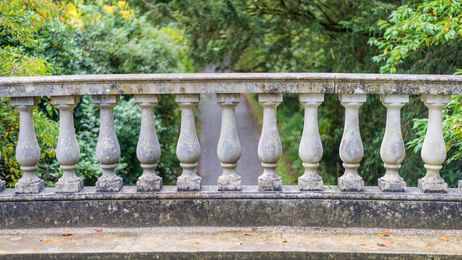
A balustrade is a railing piece along a bridge, stair or balcony. It is supported by balusters, which are short, typically decorative columns. Balustrade may also refer to the entire column/railing construction. Balusters along a stairway are often called bannisters.
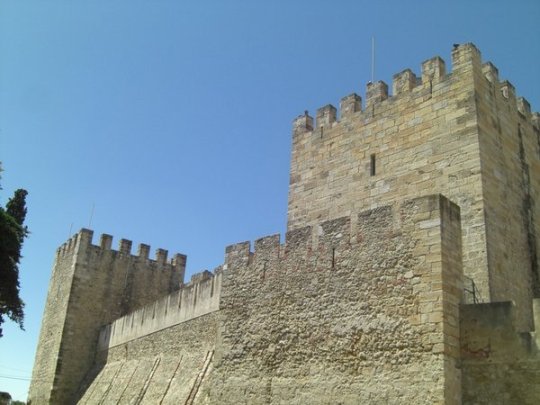
A parapet is a short, protective barrier, usually no more than head-height, along a terrace, balcony or roof. When a parapet is crenellated, meaning it has indentations at regular intervals, it is called a battlement. The gaps in a battlement are called crenels or embrasures; the solid upright sections (the not-gaps) of a battlement are called merlons.
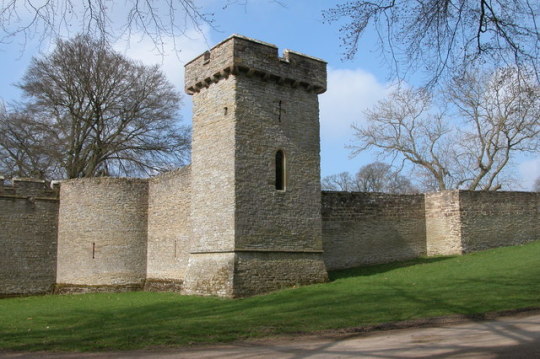
A bulwark is any kind of defensive wall or embankment. A bastion is a structure projected outward from a castle or fortification. The connecting wall between bastions or towers is a curtain wall.
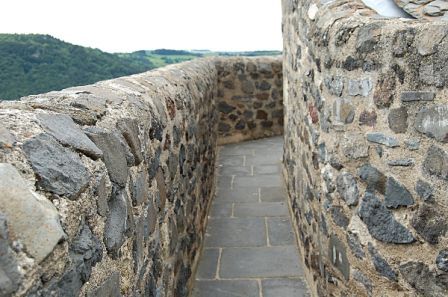
A rampart is a thick defensive wall with a broad top, which is often crowned with a parapet or battlement. A chemin de ronde is a protected walkway atop a rampart and behind a battlement, sometimes called a wall-walk if you don’t want to sound too fancy.
There are many more parts to castles and other fortifications. Explore them and enjoy. But if this helps anyone just a little, I will be pleased.





 radiantanor.home.blog
