omg
now i’m trying to come up with possible justifications for her to go
fullblown writhe outside ost-in-edhil… like, celebrimbor comes out and
stares at her; she pauses mid-laugh-shriek and says “i assume this is
how /annatar/ always convinces you. does he have his own tantrum room
under the forge”
there’s
something really charming about the image of galadriel having to be
polite about her ally’s evil boyfriend for four hundred years and then
just cathartically unleashing a tidal wave of pettiness onto… well…
celebrimbor’s mutilated corpse maybe but the PRINCIPLE holds
I 100% subscribe to both a) the idea that as it became clearer and clearer that her reign in Eregion was doomed, Galadriel gave progressively fewer and fewer fucks about keeping her sodium content at any kind of reasonable level, in the style of post-2014 Obama, and b) the possibility that Sauron actually did have a sound-proof panic room under the forge in order to indulge in some periodic primal scream therapy for having to deal with these fucking elves all the time.
Galadriel knew that. Of course. Celebrimbor’s rather uncomfortable about the very suggestion, but more sorrowful really, it was so difficult and disheartening to finally accept that Annatar was right and his awesome regal cousin had turned into a power mongering conspiracy theorist crackpot, honestly.
i
love this. i actually like to imagine annatar being like, superficially
polite in a really backhanded condescending sort of way. but SHE’s the
unreasonable one, right? annatar just does not know why Galadriel
dislikes him so much for no reason. it’s actually rather hurtful!
there’s
like a hundred years btw the One Ring and the war starting which
Galadriel presumably spends going “no, no, I know it’s been painful for
you, I won’t rub it in – I’m sorry I can’t help it I TOLD YOU SO I told
you like a hundred fucking times. okay. okay. i’m done. i – no, i’m not
done -” at Celebrimbor
honestly
i think galadriel’s ability to hide the way she feels about sauron
peaks at “silent, tooth-grinding fuming”, i do not think of her as a
massively subtle person in this respect
OMG this is amazing okay “endeavoured therefore to placate her,
bearing her scorn with outward patience and courtesy“ – imagining Galadriel and Annatar getting into matches of unbearable backhanded politeness judo trying to get the other one to lose it and damage their credibility. Annatar always wins ofc. Celebrimbor’s like “will someone PLEASE tell me what the hell is going on or am I just slowly going insane???” Celeborn just stares into the camera like he’s in The Office.
And – she was still rubbing the hair thing in Fëanor’s face 8,000 years later after the guy was dead after all….
I imagine it gets to the point where Annatar, like, compliments her hair and Galadriel takes it as a veiled attempt to undermine her friendship/alliance with Celebrimbor by alluding to her anti-Feanorian sentiments in the first age, and Annatar gets very hurt by how oversensitive she’s being, she’s acting so angry and erratic –
– except she is, actually, 100% right, except now she looks like the one in the wrong for taking it that way, and there’s nothing she can do about it but grit her teeth while Annatar smirks at her from behind Celebrimbor’s back.
I. HAD NOT. Considered the idea that Sauron might have, at some point, actually acknowledged to Galadriel their mutual “I know that you know that I know,” instead of keeping up airtight plausible deniability until the very end, until just now???
Does this campaign eventually just, like, head into “One Froggy Evening” territory?????
HOL Y FU CKING SHIT
(and the “try to put the damn thing somewhere it’ll never be found, but someone eventually finds it and starts the whole cycle over again” ending, too, like wow)
If Galadriel straight-up airtight KNEW, though… oh god it’s the Big Lie, isn’t it. She can’t tell anyone because what is this conspiracy theory bullshit. (This goes very well with that in-universe “Annatar is Sauron” meme someone proposed a while back, come to think of it.)
I don’t know if she’d be vindicated though when the proof came out or just… tired. I mean. The stress of knowing that and checking and rechecking your political calculations like is there a way for me to try to convince someone, anyone–and there’s not, and there’s no choice but to keep the secret, even when every instinct is screaming danger.
(Gets to the point where she thinks of seeking him out, maybe, the only other person who’s behind this bedamned façade–
Aaand there goes my hateshipping reflex.)
I mean. I mean. PRESUMABLY. depending on how much self-control you think Annatar has and exactly how much entertainment he’d get from gloating that I know you know and you can’t do a damn thing about it vs committing to the point where maybe he can actually get her to start doubting herself –
(and how much you think Annatar has convinced himself that no, really, he’s been nothing but courteous and generous towards her, this is all rather hurtful, his feelings are hurt – )
god. I don’t usually think Galadriel KNEW because I think she’d feel obligated to do something if she did. but. imagine if she tells people and no-one believes her. maybe that’s why she ends up leaving Eregion. maybe Annatar actually succeeds in convincing people she’s crazy. ughhhh 😦
(I bet you could hear the I TOLD YOU SO all the way from Valinor)
I think committing is probably–more his style? Like, surely he can’t be making exceptions to his grand illusions just for fun. But if he thought that he could goad her into making a false move (like, idk, denouncing him as Sauron with evidence that would later turn out to be a forgery)–I can see him staging a confession in order to push her into a public confrontation before she’s ready. Because, like you said, she’d feel obligated to do something if she knew.
(Xanatos Speed Chess, here we go…)
And I do think of him as someone who weights his own personal preferences and sense of aesthetics into his plotting, so if it was only almost worth it in the grand scheme of things, he might just do it anyway.
Sauron convincing himself of things is my blood and butter.
(YES to Galadriel not being believed. YES to that being the reason she leaves. YES. YES.)
… yeah. I enjoyed reading all these ideas so much. @vardasvapors Help, I can’t stop imagining Sauron as a frog now, and it results in some seriously ridiculous mental images 😀 I’m lucky that other guy doesn’t look remotely elvish.
Personally, I don’t think Galadriel knew that Annatar was Sauron (I just can’t see her finding that out and not trying to murder him – vengeance for Finrod and ensuring her people’s safety and all that). But she presumably knew that there was something fishy about his past, and her Arafinwean
Superior
Intuition told her not to trust him.
Then there are probably a lot of little things that seem suspicious if you’re paying attention. And he just keeps manipulating everyone into doing whatever suits him best and she’s the only one who sees it! Plus, he clearly has too much fun doing that!
(”He can be a highly skilled Maia of Aule – if that’s even true-, but that obviously doesn’t stop him from being an asshole!” she tells Celebrimbor, at the beginning.
“But he isn’t ,” comes the distressed reply, “I like him, and once you get to know him I’m sure you will too; he’s so… *insert slightly enamoured gushing about new best friend/mentor/colleague*. And what do you even mean by ‘if that’s true’ – of course he’s a Maia, I’ve seen him shapeshift into a wolf myself! And please don’t use that to compare him to werewolves, Annatar wasn’t even in Beleriand last age and can’t know what people associate wolves with.”)
Even at this point, Galadriel really just wants to be like:
Meanwhile, Annatar has used his amazing self-justification skills and genuinely believes that he’s doing the right thing, because obviously it’s for Celebrimbor’s own good that he realizes people like Galadriel or Gil-Galad aren’t perfect. And if he falls out with them, they won’t be able to influence him into disagreeing with Annatar – so basically he’s making sure that Celebrimbor can survive in “his” future world (the condition for which is being on his side and doing what he wants). That’s really very kind and generous of him!
The “fact” that his plans are right is not even questioned, of course. After all, it’s his plan, and naturally that’s reason enough to assume it’s perfect. (I imagine Sauron as someone who is so extremely self-confident that he almost never questions himself, and when he makes a decision he won’t reconsider it either because he assumes he made the possible best one the first time. That’s how I explain how he, despite being intelligent and cunning enough to pull off his better plans, still managed to do things like sending out his werewolves to fight Luthien one by one, only realized Huan was there once Draugluin told him, and apparently didn’t know about Carcharoth. Or why he didn’t wonder if the tiny army in front of his gates was the real threat or just a diversion – he’s smarter than Aragorn and Gandalf and all the rest, so how could they possibly have come up with a strategy he wouldn’t have figured out immediately?)
OH GOD NO BUT THAT WOULD BE PERFECT. how did the jedi not think of that?
what is anakin’s biggest weakness? attachments.
you know who needs lots of attachment? babies. small children.
anakin should not have been made to study murder: he should have been put in charge of Small Things. He would have bonded with all of them instantly, and it would have given his life Meaning and Purpose.
He’d bond with the kids, but he’d be able to move on because they are Bigger now and they have to go to the Big Kid Class but he still sees them around all the time, and it finally teaches him how to let go of his attachments??? He’d find a kid that he’s particularly fond of and go to Obi-Wan and say “I have found your newest padawan.”
this could have fixed so. many. things. ;_____;
Heh, and Anakin would keep picking Obi-Wan’s padawans for him, and it would be annoying but damn if he wasn’t right every single time.
BUT CAN YOU
JUST IMAGINE HOW ANNOYED PALPATINE WOULD BE his life would be never-ending
string of trying to get a hold of Anakin (I mean, would Anakin give him a time of day if he can spend it with small kids who absolutely adore him instead?)
he keeps
comming over the years, but it’s always like
BEEP
“Anakin, my
boy, we haven’t seen each other in a while—“
“I’m sorry,
Chancellor, now’s not the best time. I’m tutoring a class.”
BEEP
“My dear
boy, I wonder if we could meet for a chat—“
“Well, it
can’t be this week, we’re going to Ilum, but maybe later…”
BEEP
“Anakin,
I’d like to—“
“I’m
terribly sorry, Chancellor,” Obi-Wan Kenobi answers. The apologetic tone might
be just a tad exaggerated. “Anakin is on a trip with younglings, he
must’ve left his comlink behind accidentally.”
BEEP
“You’ve
reached Anakin Skywalker’s private comlink. Leave the message after the tone.”
BEEP
“It’s such
a shame that Council doesn’t consider sending you on this campaign, considering
the lightsaber skills you demonstrated when I was last visiting the Temple,
Anakin.”
“Thank you,
Chancellor, but this is precisely why I need to stay behind. In fact just the
last week, the Masters decided I should take over some advanced lightsaber
classes, considering senior Padawans accompanying their Masters on the frontlines
need the training. I might take the Bear Clan along, make it a learning
opportunity for the young ones—“
Palpatine
closes his eyes slowly. He knows this from experience; Anakin won’t let himself
be budged from the topic of little monsters for at least another half an hour.
BEEP
“Ah,
Chancellor Palpatine. Anakin left his comlink behind again, he’s in class—“
BEEP
“Anakin, I
hoped you—“
“Oh! Chancellor,”
the voice on the other end is distinctly female, and Palpatine recognizes it after
a second. Kenobi’s second Padawan. He barely restrains the urge to gnash his
teeth. “Um, Skyg—I mean, Master Skywalker can’t pick up now. I can tell him you
called? It’s just that he was helping me with forms, and he forgot his comlink,
and he’s probably already in crèche…”
BEEP
Then there’s
that one time when an actual youngling picks up the call. The less said about his
reaction to that incident, the better.
BEEP
“—fortunately,
they were all right in the end. But in my opinion, this should never happened
in the first place, Chancellor.”
Palpatine
snaps awake. Was that… was that anger? Finally, the hours of listening to
worthless drivel about Jedi younglings paid off.
“My boy, I
absolutely agree,” he begins slyly, but before he can continue, Anakin steamrolls
on.
“I think Jedi
Order is too deeply entwined in the conflict! I honestly don’t think even
senior Padawans should be anywhere near battles, not to mention in command of
GAR, but now even younglings are acceptable targets for Separatists and pirates!
Master Yoda and I were talking about this lately, and—“
Palpatine
swallows a scream of rage with some difficulty.
BEEP
“Forgot his
comlink again, Master Skywalker has. With younglings, he is.”
Slaughtering
younglings moved to the top on the list of things Darth Sidious will do after
taking over galaxy some time ago.
That is what the Council would have done if they were smart. Seriously. Here’s Yoda saying Anakin should not be taught because he senses too much fear in him, and it’s fear for the people he cares about, something everyone present realizes fully because when it comes to his own safety, Anakin couldn’t be more reckless.
Then Qui Gon announces he’s training him anyway, someone points out he might fulfill the prophecy and bring balance to the Force, and nobody, NOBODY, thinks that MAYBE giving him a job that’s more about caring than killing might be an idea. Nope. Okay, we’re training him, let’s foster the loose canon aspect of his personalities, make him a war general and keep pushing him into vicious battles to the death. Sounds perfect for his mental health.
The Jedi Council were a bunch of idiots with their head so far up their own asses even a lightsaber shoved up there to the hilt would not provide them enough light to see further than their own noses.
I think I got lost somewhere in this metaphor. You get the point.
After ten years, Palpatine loses his patience and decides to change his plans. Fuck it, Skywalker has kids now–two adorable little moppets who can be captured, broken, and twisted into twin powerhouses of the Dark Side. Torture one while the other watches, convince them Daddy doesn’t love them, easy-peasy.
Unfortunately, he fails to reckon with the fact that not only is he going up against Anakin Fucking Skywalker, but that Anakin Fucking Skywalker is the surrogate father/big brother/best friend/cool teacher of ninety percent of the current Padawans and young Knights in the Order. And while the Council might make decisions and talk about the Will of the Force and stuff, those Padawans and Knights only care about the fact that the man who scared away the monsters under the bed–made it feel less lonely and frightening to be away from home when they were small–is now hurting and scared for his own children.
Just like Palpatine always wanted, Anakin ends up leading an army. An army of young Jedi who smash the ever-loving shit out of everything “Darth Sidious” can throw at them, rescue the terrified Skywalker twins, and drag the Chancellor hisownself before the Senate with conclusive proof that he’s an evil Dark-Side-wielding bastard who kidnaps adorable kids.
Attachments FTW.
God, YES
Luke and Leia would have grown up with 500 brothers and sisters of assorted species. Whenever you see Anakin there are 10 kids with him, occasionally actively hanging off of his arms or riding on his shoulders. (Anakin looks downright gleeful about this). Padme thinks it’s the most adorable thing ever.
20 years later by the time “A New Hope” would have begun, Anakin is 45. Padme is the new Chancellor. Luke and Leia are finishing their own Jedi training. 90% of the current young Jedi order calls Anakin ‘Dad’. He has amassed the galaxy’s largest collection of refrigerator art. After that incident with Chancellor Palpatine 15 years back, Yoda was forced to admit to Qui Gon’s very smug force-ghost that he was right. Everything is right with the galaxy.
I am so sorry this ate my brain and then things ran away from me. I AM SORRY.
So. Anakin leads an army to retrieve his children and it’s this twisted version of everything Sidious ever wanted and he’s prepared for that.
But Sidious always underestimates how love changes things. And while he’s prepared to fight Anakin’s devoted army of former crechelings, he underestimates how that’s changed the rest of the Order.
Because Obi-Wan is quieter about whom and how he loves but doesn’t make it any less strong. When Obi-Wan loves someone it is unconditional and unyielding and he has never loved anyone as much as he loves Anakin Skywalker. Then the twins are born and Anakin is bashfully about it but he’s not ashamed and of course Obi-Wan has to know, he can’t imagine Obi-Wan not knowing his children (Obi-Wan totally already knows, he has been rolling his eyes about this for months and waiting for Anakin to come to him so he doesn’t spook him or for Padme to knock some freaking sense into him, which she does, because not-dying Padme is scary post-pregnancy and not willing to deal with the stupid anymore) and then Padme hands him Leia and everything stutters to a halt for a moment because oh, oh no, Anakin has found him another padawan.
There is no one Obi-Wan will ever love as fiercely as Anakin, except for Anakin’s children, who may as well be his own children. And he knows from the moment he first holds her that Leia will be the greatest Jedi he ever has a hand in raising.
(It becomes a joke among the Knights and Masters at the temple after the Skywalker twins arrive. If you even think that you might like to take Leia as your padawan, you can feel Obi-Wan glare at you no matter where he is in the galaxy.)
And when Sidious kidnaps Anakin’s children – his future padawan – Obi-Wan is the only Jedi in the galaxy who can put a hand on Anakin’s shoulder and say we need a distraction to do this safely, trust me to bring them home for you. Anakin will lead the frontal assault and tear down all of Sidious’ carefully constructed plans. Obi-Wan will sneak in and safeguard their children and bring them home.
That’s the plan, anyway.
Here’s what none of them expected:
When Luke Skywalker came screaming and red-faced into the world, an ancient, meddling, troll of a Jedi Master who had vowed never to take another padawan felt it and thought: fuck.
Whereas Leia is, even as a child, stubborn and willful and silk hiding steel, Luke is twin balls of sunshine. Raised among Jedi, he is so bright a presence it hurts. Even raised among Jedi, he wears his heart on his sleeve and has absolutely no guile and he pouts when the cafeteria doesn’t serve his favourite dessert but will cheerfully walk across the room and give it to someone else if he senses that person is still hungry. The first time Luke sees Yoda he stares at him, all big blue eyes and pudgy baby hands, then grabs his ears and won’t let go. Everyone is horrified. Yoda harrumphs at him and tell him, “Patience, young one.” He toddles after Yoda from the time he can crawl and no matter how grouchy Yoda seems he never actively dissuades him from it.
After the twins enter the temple, Anakin always knows not to worry if Luke is missing from the crèche. Yoda will escort him back sooner or later.
(He’s always much more worried when Leia disappears because, yes, Obi-Wan will bring her back but they’ll have always gotten into trouble in the meantime.)
Yoda does not confront Darth Sidious. Yoda does not lose his duel with the Sith lord and become diminished because of it. Yoda is with Obi-Wan, sneaking into his stronghold to see the twins safe. Yoda cannot go Sith hunting when Luke is in pain and gently clinging to him, his arms around his neck, bruised and bleeding and smiled at Yoda when he saw him because Luke knew he would come.
(Sidious cannot win, with them. Leia would risk her home being obliterated rather than betray her righteous cause. Luke would willingly walk into flames rather than give up on those he loves. It hurts, oh it hurts, to see the other in pain, but Leia can watch Luke being hurt and know there are more important things at stake than the two of them and Luke can watch Leia being hurt and trust that they will be saved.)
Sidious escapes but his Empire falls before it solidifies. He will never be as powerful as he needs to be.
(It’s Anakin who notices there is something wrong with the clones. He’s not their General but Obi-Wan is and Obi-Wan is a good general. When Obi-Wan is hurt, they’re all nosey and worried and Anakin – all but glued to his former Master’s bedside when it’s really bad and first and foremost a mechanic – can tell that something is wrong. He’s not always with them so it never becomes familiar, it never becomes normal, and it niggles at the back of his brain until he’s sitting in front of Obi-Wan’s bacta tank – old training bond humming between them because Obi-Wan hates drugs and hates being sedated and he stays quieter and heals faster if Anakin is there to keep him calm – and Rex walks in to check on the General and Anakin turns around to look at him and he sees it.
The Jedi Order quietly deprograms the clone army. They trace the chip back to Palpatine. Padme and Bail Organa and Mon Mothma start quietly amassing information against him and his allies – enough for criminal charges, pushing Sidious to show his hand and try to kidnap the twins.)
Obi-Wan takes Leia as his Padawan the second she’s old enough for it to be proper. They are scarily well matched. If he was the Jedi’s best hope to keep planets from succeeding during the war, together they can talk whole systems into rejoining the rebuilding Republic.
Yoda leaves Luke in the crèche until the day before his thirteenth birthday. Everyone is worried except Luke (who knows he is meant to be a Jedi and knows Master Yoda is meant to teach him and trusts this, since he was raised in the Temple. It’s easier to have faith when you’ve always had it and it’s never been wrong). Fourteen Jedi have tried to ask him to be their apprentice. Yoda bashed twelve of them over the head with his stick before they could and Luke turned two down himself, the last three days before his birthday. He spends his last day as a twelve-year old following his dad around, both of them a little clingier than usual. Anakin has always thought that Yoda intended to take Luke as his Padawan but he’s literally hours from aging out and he’s seriously considering comming Ashoka and begging her to come act as backup, when Luke suddenly hugs Anakin hard and quick and Anakin looks over and sees Yoda waiting in the doorway.
Anakin hugs Luke back very, very tightly and then he lets him go. Luke already has his few things packed and waiting. Yoda harrumphs at him. “Ready, you are, padawan mine?”
Luke’s smile is blinding. “Yes, Master.”
Leia talks star systems into rejoining the Republic. Luke returns the Fallen to the Jedi. Dooku is the first and most fleeting (having not been killed by Anakin) – having been betrayed and split from Sidious – Luke finds him when he’s dying and gets Yoda to him in time for him to pass them information on Sidious’ new schemes and die a Jedi, with his old master at his side. There are others, after that, who Fell during the war and didn’t think they could ever return from it. Luke, bright and shiny and full of faith, sees them, thinks, I can fix this, and brings them home one by one.
After the second Return, which is unavoidably public, Leia and Obi-Wan look at each other and enlist everyone they can to begin working to make Luke the new poster boy for the Order. Luke is intensely embarrassed by this and a bit bumbling and shy about it, which just makes it more attractive to everyone. It also keeps the spotlight well away from their rebuilding efforts, which are way easier when there’s less press exposure.
Sidious, who would still like to capture and corrupt the twins, eventually stops trying with Luke because there’s only a 50/50 anyone he sends after him will come back and between years of Yoda’s training (ie dodging his stick), Luke’s innate Force sense and his dumb luck he’s practically impossible to kill.
(Sidious dies ignobly at the hands of a new apprentice, one of the Fallen who Luke has been trying to save. His defeat was always going to be someone else’s redemption.)
You people need to tag me when you write, I keep missing good stuff like above!
Oh GOSH!
Everyone predicted Leia would eventually leave the order to follow in her mother’s footsteps but the SCANDAL that erupted when she married a former smuggler had the gossip rags going for years. Because circumstances sometimes change, but the Force will always find a way for certain absolutes. They have one son, and adopt several wayward young people along the way.
Anakin is delighted by his grandson for all that he’s sad that he couldn’t share him with Obi-Wan, who passed just before he was born. Ben would follow his grandfather around like a baby duck and hated sharing him with the other younglings. He’d get so angry when he felt Anakin was giving the other children more attention than him. Anakin would gently explain that he couldn’t play favorites, but Ben would still react with anger and find a place to pout alone.
He is five when he finds a nice secluded spot in the gardens, barely visible from the main path. A fountain sits in the center and Ben lets out his frustration by throwing small stones into it. He doesn’t notice Mace until he sits down right next to him and says “I like to come here too, when I’m angry.”
Ben is startled at first. Though he’s still small and largely untrained, no one has ever really snuck up on him before. He’s also never heard a master admit to being angry before. When questioned, Mace answers that everyone gets angry sometimes. The Jedi way isn’t the eradication of emotion, but the control of it. He brings Ben back to Anakin, who apologizes to the aging master for troubling him, but Mace dismisses the apology and tells him it was no trouble at all. Anakin glances sideways at Mace; they don’t always agree on things, but he can’t help but smile. It has been decades since Master Windu last took a padawan.
As Ben grows older he excels in his lessons. He’s smart, persistent, and so, so powerful in the Force. He’s the very top of his class, and the only one who has yet to be chosen by a master. He still goes to the fountain when he finds himself at war with his emotions. Usually he meditates alone for a while until he is able to calm down, but sometimes, when he feels particularly lost, Master Windu will show up. At these times Ben will often ask for advice, but sometimes they will simply sit together in silence.
Ben is desperate the day before he turns 13. He doesn’t understand how he could work so hard and not be noticed by a single master in the entire temple (which isn’t true, nearly everyone knows Ben Solo and can feel the pull of the Force around him. They also know they were not meant to guide him). He almost, almost comms his uncle and begs to take him as his padawan, but ultimately doesn’t because he knows how Luke follows the Force and if he were going to take him, he would have a long time ago. (Luke is busy anyway; a small girl in the outer rim is about to turn 3.)
He goes out to the fountain to watch the sun set. The next day he’ll go before the Council of Reassignment to be placed into a division of the Jedi Service Corps. He supposes it wouldn’t be so bad to be placed into the Exploration Corps, he’d see much of the galaxy that way. He sits and plans and wills himself to not cry. After all, the Jedi way isn’t the eradication of emotion, but the mastery of it.
Master Windu is still able to sneak up on him even though he’s doing so with a cane these days. Ben once held the hope that maybe the old master would take him as a padawan, but everyone knows Mace doesn’t take padawans anymore. His work on the Council is too important and he can’t give his precious time to a student, no matter what sort of strange bond has formed between them over the years. They sit for a moment before Ben breaks the silence. “What do you think my chances are of being assigned to the Exploration Corps?”
Mace seems to ponder the question for a moment. “Your scores in xenolinguistics is very high. You’ve also done very well in your survival field tests. You’d be a credit to the ExplorCorps.” He pauses for a moment. “Is that what you want to to do?”
Ben doesn’t give a straight answer, “It’s an honor,” he swallows the lump in his throat, “to be a part of the Service Corps.”
Mace sighs. “For someone who feels the Force so acutely, you have so little faith in it.” Ben winces. “Your patience leaves a lot to be desired. And you never really let go of anything.”
Ben is shaking. Of course. It doesn’t matter how well he does in his studies when the fundamentals of the ways of the Force is where he has always failed. He could never be a true Jedi. But it feels like the rawest betrayal when Mace says, “You can’t go into the Exploration Corps, Ben. Being left to drift through the galaxy unguided would be disastrous for you. You’d be very susceptible to the Dark Side if left alone.”
Ben’s eyes feel wet. He knows that too, though he’s never confessed to any of the masters about it. He was stupid to think he could hide it, though. The masters probably felt the Dark Side around him and rejected him outright. A bitter voice inside him resents them for dragging it out for so long.
Then he feels a warm hand on his shoulder. “I’m not afraid of the Dark, Ben. And you shouldn’t be either.” In spite of Master Windu’s gentle tone, Ben can’t bare to look at him. “Self mastery is a life long pursuit that no one ever really accomplishes. You have to take it day by day, even I’m still learning. You have everything you need, you just have to remember that it is a choice you must make and commit to every day.”
Ben sniffs. “Yes, Master.” But when Ben looks up at Mace, he doesn’t see the cold face of a stern teacher or the disappointment of an unsatisfied elder. He doesn’t even see the sympathy that everyone has been directing towards him as he got closer and closer to his 13th birthday. Instead there is warmth and fondness.
“However,” he continues, “it’s not a path you need to travel alone. At least not at first… if you’ll have me as your master.”
Ben lunges at Mace and hugs him tight. “Do you really mean it?”
Mace huffs a short laugh and ruffles the boy’s hair. “I’m too old to say things I don’t mean.” He pulls away. “But Ben, are you sure? I’m not the easier teacher.”
Finally able to hope again, Ben gives his master (his master!) a grin. “I’m not the easiest student!”
Mace gives an actual laugh at that. “Good!” He pulls himself up. “Alright, lets go make it official. I know that grand-daddy of yours is dying to start gloating like the gossiping old hen he is.”
Here’s a general rule: People in the past were ignorant about a lot of things, but they weren’t stupid. If they used something, chances are they had a good reason. There are exceptions, but plate armor is not one of them.
Long Answer:
For a type of armor, no matter what it is, to be considered effective, it has to meet three criteria.
The three criteria are: Economic Efficiency, Protectiveness, and Mobility.
1. Is it Economically Efficient?
Because of the nature of society in the Middle Ages, what with equipment being largely bring-it-yourself when it came to anybody besides arrowfodder infantry who’d been given one week of training, economic efficiency was a problem for the first couple of decades after plate armor was introduced in France in the 1360s. It wasn’t easy to make, and there wasn’t really a ‘science’ to it yet, so only the wealthiest of French soldiers, meaning knights and above, had it; unless of course somebody stole it off a dead French noble. The Hundred Years War was in full swing at the time, and the French were losing badly to the English and their powerful longbows, so there were plenty of dead French nobles and knights to go around. That plate armor was not very economically efficient for you unless you were a rich man, though, it also was not exactly what we would call “full” plate armor.
Above: Early plate armor, like that used by knights and above during the later 1300s and early 1400s.
Above: Two examples of what most people mean when they say “full” plate armor, which would have been seen in the mid to late 1400s and early 1500s.
Disclaimer: These are just examples. No two suits of armor were the same because they weren’t mass-produced, and there was not really a year when everybody decided to all switch to the next evolution of plate armor. In fact it would not be improbably to see all three of these suits on the same battlefield, as expensive armor was often passed down from father to son and used for many decades.
Just like any new technology, however, as production methods improved, the product got cheaper.
Above: The Battle of Barnet, 1471, in which everybody had plate armor because it’s affordable by then.
So if we’re talking about the mid to late 1400s, which is when our modern image of the “knight in shining armor” sort of comes from, then yes, “full” plate armor is economically efficient. It still wasn’t cheap, but neither are modern day cars, and yet they’re everywhere. Also similar to cars, plate armor is durable enough to be passed down in families for generations, and after the Hundred Years War ended in 1453, there was a lot of used military equipment on sale for cheap.
2. Is it Protective?
This is a hard question to answer, particularly because no armor is perfect, and as soon as a new, seemingly ‘perfect’ type of armor appears, weapons and techniques adapt to kill the wearer anyway, and the other way around. Early plate armor was invented as a response to the extreme armor-piercing ability of the English longbow, the armor-piercing ability of a new kind of crossbow, and advancements in arrowhead technology.
Above: The old kind of arrowhead, ineffective against most armor.
Above: The new kind of arrowhead, very effective at piercing chainmaille and able to pierce plate armor if launched with enough power.
Above: An arrow shot from a “short” bow with the armor-piercing tip(I think it’s called a bodkin tip) piercing a shirt of chainmaille. However, the target likely would have survived since soldiers wore protective layers of padding underneath their armor, so if the arrow penetrated skin at all, it wasn’t deep. That’s Terry Jones in the background.
Above: A crossbow bolt with the armor piercing tip penetrating deep through the same shirt of chainmaille. The target would likely not survive.
Above: A crossbow bolt from the same crossbow glancing off a breastplate, demonstrating that it was in fact an improvement over wearing just chainmaille.
Unfortunately it didn’t help at all against the powerful English longbows at close range, but credit to the French for trying. It did at least help against weaker bows.
Now for melee weapons.
It didn’t take long for weapons to evolve to fight this new armor, but rarely was it by way of piercing through it. It was really more so that the same weapons were now being used in new ways to get around the armor.
Above: It’s a popular myth that Medieval swords were dull, but they still couldn’t cut through plate armor, nor could they thrust through it. Your weapon would break before the armor would. Most straight swords could, however, thrust through chainmaille and anything weaker.
There were three general answers to this problem:
1. Be more precise, and thrust through the weak points.
Above: The weak points of a suit of armor. Most of these points would have been covered by chainmaille, leather, thick cloth, or all three, but a sword can thrust through all three so it doesn’t matter.
To achieve the kind of thrusting accuracy needed to penetrate these small gaps, knights would often grip the blade of their sword with one hand and keep the other hand on the grip. This technique was called “half-swording”, and you could lose a finger if you don’t do it right, so don’t try it at home unless you have a thick leather glove to protect you, as most knights did, but it can also be done bare-handed.
Above: Examples of half-swording.
2.Just hit the armor so fucking hard that the force carries through and potentially breaks bones underneath.
Specialty weapons were made for this, but we’ll get to them in a minute. For now I’m still focusing on swords because I like how versatile the European longsword is.
Above: A longsword. They’re made for two-handed use, but they’re light enough to be used effectively in one hand if you’d like to have a shield or your other arm has been injured. Longswords are typically about 75% of the height of their wielders.
Assuming you’re holding the sword pointing towards the sky, the part just above the grip is called the crossguard, and the part just below the grip is called the pommel. If you hold the sword upside-down by the blade, using the same careful gripping techniques as with half-swording, you can strike with either the crossguard or the pommel, effectively turning the sword into a warhammer. This technique was called the Murder Stroke, and direct hits could easily dent plate armor, and leave the man inside bruised, concussed, or with a broken bone.
Above: The Murder Stroke as seen in a Medieval swordfighting manual.
Regular maces, hammers, and other blunt weapons were equally effective if you could get a hard enough hit in without leaving yourself open, but they all suffered from part of the plate armor’s intelligent design. Nearly every part of it was smooth and/or rounded, meaning that it’s very easy for blows to ‘slide’ off, which wastes a lot of their power. This makes it very hard to get a ‘direct’ hit.
Here come the specialized weapons to save the day.
Above: A lucerne, or claw hammer. It’s just one of the specialized weapons, but it encompasses all their shared traits so I’m going to only list it.
These could be one-handed, two-handed, or long polearms, but the general idea was the same. Either crack bones beneath armor with the left part, or penetrate plate armor with the right part. The left part has four ‘prongs’ so that it can ‘grip’ smooth plate armor and keep its force when it hits without glancing off. On the right side it as a super sturdy ‘pick’, which is about the only thing that can penetrate the plate armor itself. On top it has a sharp tip that’s useful for fighting more lightly armored opponents.
3. Force them to the ground and stab them through the visor with a dagger.
This one is pretty self-explanatory. Many conflicts between two armored knights would turn into a wrestling match. Whoever could get the other on the ground had a huge advantage, and could finish his opponent, or force him to surrender, with a dagger.
By now you might be thinking “Dang, full plate armor has a lot of weaknesses, so how can it be called good armor?”
The answer is because, like all armor is supposed to do, it minimizes your target area. If armor is such that your enemy either needs to risk cutting their fingers to target extremely small weak points, bring a specialized weapons designed specifically for your armor, or wrestle you to the ground to defeat you, that’s some damn good armor. So yes, it will protect you pretty well.
Above: The red areas represent the weak points of a man not wearing armor.
Also, before I move on to Mobility, I’m going to talk briefly about a pet-peeve of mine: Boob-plates.
If you’re writing a fantasy book, movie, or video game, and you want it to be realistically themed, don’t give the women boob-shaped armor. It wasn’t done historically even in the few cases when women wore plate armor, and that’s because it isn’t as protective as a smooth, rounded breastplate like you see men wearing. A hit with any weapon between the two ‘boobs’ will hit with its full force rather than glancing off, and that’ll hurt. If you’re not going for a realistic feel, then do whatever you want. Just my advice.
Above: Joan of Arc, wearing properly protective armor.
An exception to this is in ancient times. Female gladiators sometimes wore boob-shaped armor because that was for entertainment and nobody cared if they lived or died. Same with male gladiators. There was also armor shaped like male chests in ancient times, but because men are more flat-chested than women, this caused less of a problem. Smooth, rounded breastplates are still superior, though.
3. Does it allow the wearer to keep his or her freedom of movement?
Okay, I’ve been writing this for like four hours, so thankfully this is the simplest question to answer. There’s a modern myth that plate armor weighed like 700 lbs, and that knights could barely move in it at all, but that isn’t true. On a suit of plate armor from the mid to late 1400s or early 1500s, all the joints are hinged in such a way that they don’t impede your movement very much at all.
The whole suit, including every individual plate, the chainmaille underneath the plates, the thick cloth or leather underneath the chainmaille, and your clothes and underwear all together usually weighed about 45-55 lbs, and because the weight was distributed evenly across your whole body, you’d hardly feel the weight at all. Much heavier suits of armor that did effectively ‘lock’ the wearer in place did exist, but they never saw battlefield use. Instead, they were for showing off at parades and for jousting. Jousting armor was always heavier, thicker, and more stiffly jointed than battlefield armor because the knight only needed to move certain parts of his body, plus being thrown off a horse by a lance–even a wooden one that’s not meant to kill–has a very, very high risk of injury.
Here’s a bunch of .gifs of a guy demonstrating that you can move pretty freely in plate armor.
Above: Can you move in it? Yes.
Here are links to the videos that I made these .gifs from:
You’re written a very good article. I believe it deserves a full-length reply. As much as I enjoyed it, there are just a few corrections I’d like to make, and more than a couple clarifications.
First off, just to get it out of the way, I’ve never actually found any account of “arrowfodder infantry” being used historically by any medieval army in Europe. Generally speaking, you would want all your soldiers to be skilled, trained and properly equipped. No matter how much money you had, cost-effectiveness was always something to strive for, and having thousands of useless soldiers who can do nothing but take arrows and die is simply not worth it, especially since they will also be eating your food while they’re still alive. If you wanted to protect your army from enemy archers, you used armor, shields, fortifications and the terrain itself.
Now, about the introduction of plate armor. If we’re talking about what most people think when they hear the term, then yes, that shows up on the second half of the 14th century. Your first picture is a good example of this (that being said, that mail mantle is a much later piece, used here to imitate the mail aventail that would hang from the edges of the helmet). However, solid metal plates have been used as armor for hundreds of years before. Even if we ignore the entire Bronze Age, the Roman Empire and the concept of helmets, we still have to look back at least as far as the 13th century. Schinbalds were curved metal plates strapped on the lower legs to protect the shins. Poleyns were introduced shortly after to protect the knees.
Around the middle of that century, the coat of plates appeared. It was the first step in what could be considered plate armor. It consisted of slightly curved overlapping plates riveted to the inside of a leather or fabric garment shaped like a surcoat. The plates themselves mainly covered the torso and sides, and perhaps some of the back. Below is a drawing of a Teutonic Knight wearing armor of this type, from Osprey Publishing.
Later the structural garment would become shorter and in some cases include decorations of many kinds.
The coat of plates developed in two directions. In one case, the plates got progressively larger, eventually evolving into the globular breastplate we’re all familiar with. Below is a reproduction of a transitional model, somewhere between a mid-14th century coat of plates and an early breastplate. It was beautifully crafted by Piotr Feret.
The chains in models like this served to secure the sword, dagger, great helm and any other object the wearer wouldn’t want to drop and lose. Below we can see the plates before they were finished and riveted to the fabric facing.
Here we can clearly see the similarities between this type of armor and a breastplate. The large plate meant to cover the chest already has the beginnings of that characteristic globular shape meant to deflect blows. Of course, early versions of the globular breastplate were also covered in fabric or leather, which also served to attach it to the fauld or laminated skirt of plates that hanged from it. Below is a set of armor by renowned blacksmith Jeff Wasson featuring one of these pieces, based on historical examples from around the year 1380.
At this point it’s worth noting that breastplates, specifically the solid globular piece, only cover the area of the torso demarcated by the ribs. This is so that the wearer doesn’t lose any flexibility on their waist. The hips and abdomen were protected by the much more flexible fauld.
On the other side of the spectrum we have the coats of plates which eventually evolved into the bringandine. This was a set of much smaller overlapping plates attached to the inside of a vest-shaped garment, usually open at the front, narrower at the waist for purposes of mobility and weight distribution. Below is a model by Armour Services Historical.
This example has a wool facing and is decorated with brass rivets and a Cross of Saint George, characteristic of English soldiers who served in France. Below is a picture of the inside of a similar piece by the same maker, showing the multitude of plates.
The brigandine remained extremely popular all through the 15th century and even well into the sixteenth century, though of course styles changed with time. There even was a variant of it during the Renaissance called a jack of plates, in which the plates were sewn to the inside of a garment which was more similar to civilian clothing, though still unmistakably armor. These could be worn by virtually any kind of soldier, from infantry archers to mounted men-at-arms. They were considerably more comfortable than solid breastplates, and provided a similar level of protection. Solid breastplates did have one considerable advantage, their potential for heat-treating, which I will explain further on.
You say only the wealthiest and most French of individuals could afford “full plate” armor. I’m going to have to disagree with that. While it is true that the French were famous for being able to field large numbers of heavy cavalry and infantry, during most of the Hundred Years War their suits of armor were far from complete. They were very likely to trade the protection of some of the less essential elements of armor in exchange for comfort and mobility. For example, I can tell that the first picture you posted is most likely based on a French suit of armor because of the lack of fauld on that breastplate. On the other hand, English armor of the same period, particularly the early 15th century, was extremely protective, going as far as to cover even the inside of the upper arms. Below is a picture of such a suit of armor, from Osprey Publishing.
Of course, such a suit of armor would be extremely expensive, but this didn’t mean less wealthy soldiers had to rely solely on mail to protect themselves. Bringandines were relatively cheap, for example, and you could simply buy the elements of plate armor you considered more essential, perhaps even resorting to pieces of lesser quality to reduce the cost. Even in the late 15th century, when plate armor became more common, most soldiers were not wearing the full harness. Below is a harness from Best Armour, which could have been used by an infantryman in the middle of the 15th century.
Note how only the torso, head, shoulders, hips and upper arms are protected. The pieces hanging from the fauld, by the way, are called tassets, a common element of plate armor from the 15th century onward. The armor covering the face is called a bevor, attached to the gorget which covers the throat. It could be hinged down to allow easier vision and ventilation. Under the armor a soldier would of course also wear a padded jack and perhaps a pair of sleeves and a skirt of mail.
Also, while in theory you could take any kind of equipment from a fallen enemy or inherit it from a relative, when it comes to solid body defenses you’d ideally want to have them made specifically for you. This would absolutely ensure that it fits you properly, which is vital for having both protection and mobility.
Now, regarding how effective armor is and how it can be defeated. I’m not sure exactly why you think plate armor was created specifically to defeat the English longbow, or that there was such as thing as a new armor-piercing crossbow. Armor in general served and was constantly developed to protect against weapons of any kind, and the breastplate wasn’t any different. The English longbow was a very powerful and effective weapon, but it wasn’t some sort of alien and terrifying artifact for the people of continental Europe. Longbowmen were used as mercenaries by all nations in a multitude of conflicts.
Crossbows were also very common, and in fact ancient. Military crossbows may even predate military bows. If you’re referring to crossbows with steel prods, you have to keep in mind that crossbows in general were never a lot more powerful than bows. For example, a 350 pound crossbow would be roughly as powerful as an 80 pound longbow, which was the lower end of the military longbow power spectrum. This is because the draw length of a bow is much longer than that of a crossbow. Take diminishing returns into account and the most powerful crossbows wouldn’t really have been a lot more powerful than the most powerful longbows. The one huge advantage they did have, however, was that they were a lot easier to aim. You can wind a crossbow and have it ready to shoot for hours. You could position yourself behind a fortification or a large shield and patiently wait for your target to come into range, aim carefully, and shoot accurately. When you draw a longbow, you really only have a couple of seconds to aim, before you get exhausted from holding that string at full draw and have to release it. Expert weapon craftsman Leo Todeschini can probably explain it better. Below is a crossbow that wouldn’t be out of place in the late 15th century, by Leo Todeschini.
This decorated weapon would most likely be used for hunting, but a more simple version would be an excellent weapon of war. It uses a cranequin as a winding mechanism, and has 450 pounds of power in that steel bow.
Regarding arrowheads, you can’t really talk of old obsolete arrowheads and new revolutionary models. All of those existed roughly at the same time, and served different purposes. The long bodkin in fact can be traced all the way back to the Viking era, or perhaps even earlier. The broad cutting arrowheads with large barbs were mostly used for hunting, though of course they could be used very effectively against unarmored humans. The bodkin had an easier time penetrating mail, since its narrow profile could get between the links with much less resistance, though it would still have to penetrate the padded armor that was commonly worn underneath. You could also find less specialized arrowheads with narrow heads and small barbs, a compromise of the two other models. And of course there were numerous other types of arrowheads which I won’t go into here.
Now, how do arrows fare against steel breastplates? Well, a standard broad hunting arrowhead won’t do any good. A bodkin won’t be very effective either, the long point will bend before it penetrates. In any case, anything but an almost perpendicular hit would simply glance off the rounded surface, which is exactly the purpose of that shape. There was a type of heavy arrowhead, with a squared profile and a heavy body. It’s very commonly seen on crossbow bolts. Leo Todeschini has referred to it as a quarrel head. If any type of arrow has any chance of piercing plate armor it’s that one, though perhaps it’d have to be aimed at the thinnest plates. Of course, you could always hope that your arrows landed on the gaps of the armor, and take your chances at penetrating the mail and padding, or perhaps see if your bodkin can slip past the visor. Alternatively, you could choose to not aim directly at the knights or men-at-arms. Terry Jones said it himself. “Never mind the chivalry, kill the horses.”
Horses were a lot more difficult to armor than humans. Mail and padded armor existed, but they weren’t used very often, most likely because of how much they affected the horse’s body temperature as it galloped. Proper full plate armor for horses didn’t really appear until the end of the fifteenth century, and even then it was reserved for the heaviest cavalry. Usually horses would at most wear a chanfron, a simple piece of armor to protect the horse’s head. This piece went as far back as the Roman Empire. Below is a drawing of three German soldiers, from Osprey Publishing.
See how only parts of the horse are covered in steel plates, and the rest is either uncovered or protected by mail. Also, the mounted crossbowman at the back rides on an unarmored horse, as would most cavalrymen. Also note the infantryman wearing only a partial harness, including a style of brigandine reinforced by a placard, the lower portion of a late 15th century breastplate.
Now, there’s one vital element that can make a breastplate virtually impervious to all projectiles. This invisible ingredient is hardness. A skilled 15th century blacksmith could use his forge and a barrel of water to heat-treat a breastplate and turn it from a simple steel plate into a spring, perfect for resisting any blow that may strike it. This process was usually done on the breastplate and the helmet, which were also the thickest parts of the full plate harness. Thinner parts of the armor, like the sides of the visors, would be much easier to penetrate.
About longswords, it all seems very accurate and well researched. I just have two things to say. First, the longest longswords I’ve seen were about 50 inches long, while the shortest were a little over 40 inches. Second, you don’t really need leather gloves to do halfswording as long as you grip the blade firmly. The you will only get cut if you run your hand up or down the edge while putting pressure on it.
The weapon you showed in that picture, which many call Lucerne hammer (after the Swiss city of the same name) but can also be called by a multitude of other names, is a variant of the pollaxe (also called by many other names), a specialized weapon for armored combat. These were generally speaking about as tall as the wielder and had a combination of spikes, axes and hammers on top of a pole, and sometimes a simple spike at the bottom end. Nikolas Lloyd explains it more concisely than I ever could. Below is a reproduction of an English pollaxe by Josh Davis.
Of course, another anti-armor weapon worth considering was the gun. Handheld firearms have been around since the fourteenth century, and while they were extremely inaccurate, at close range or in volleys of fire they could be a threat to armored soldiers. A hardened breastplate could still deflect these shots, but if hit in the thinner parts of his armor a soldier would be in great trouble. Below is a reproduction of a hand gun from the early 15th century, by The Rifle Shoppe.
The rest of your article is fairly spot-on… except the bit about female gladiators, I don’t know where that came from. At least if we’re talking about Rome, we don’t have any evidence of female gladiators wearing any kind of torso protection. In addition, I would add perhaps ten or twenty pounds to your estimation of the weight of a full plate harness. I’d also like to point out that, as awesome as that portrait of Joan is, that armor belongs in the sixteenth century. Armor of her time would be more similar to the seventh image in my reply. Finally, just to be clear, regular cavalry armor would also be suitable for jousting, just not as specialized as actual jousting armor. And of course, the military exercises that eventually developed into the sport of jousting were in practice long before the development of plate armor.
… the one I got as a present for my 8th birthday. It’s a Russian translation of several English stories for children (The Hobbit was my favourite, Peter Pan a close second, and it’s obvious from the way the pages look), and it used to have small black-and-white illustrations at the beginning of each chapter.
However, at that age I strongly disliked “colourless” illustrations – so of course I decided to “fix” them.
The first one, at the beginning, still looks nice:
Here’s Bilbo in the first chapter, with overly red cheeks and bright blue smoke. But as I just noticed there’s a line about Hobbits liking to dress in green and yellow, so kudos to little me for keeping that in mind.
The Dwarves all got sufficiently colourful cloaks. It’s really not surprising they were noticed by every single enemy they encountered.
Then there’s an Elf of Rivendell (who probably looks best), a really colourful goblin, and an Elf of Mirkwood (who would’ve looked better if i hadn’t used a yellow text marker for his hair, skin, cloak and the torch):
Of course, I generally liked that yellow text marker way too much. You see, my parents were using it to mark keywords at the time. I didn’t care about keywords at all and did this:
While not every page looks like that, there are a lot. Most of them, really. At some point the text marker ran out and I continued with a yellow pencil. I still remember feeling really smart and grown-up because it seemed like such an adult thing.
Here’s Smaug setting Esgaroth on fire. For some reason, he is green this time. With lilac wings. Look, it’s not absurd at all for dragons to be able to change colours like chameleons!
Then we have these warriors with their lovely pink and yellow armour:
The Battle of the Five Armies:
The elf’s red hair means I’ve predicted Tauriel! (On the other hand, this looks like it might be Maedhros, if you ignore that he has no way to be there). It’s also interesting how I gave everyone the same liver problems
admittedly
horrible skin color. Of course, the goblins already looked more like the other species than in most other depictions, the major difference is their hateful expression (and their fashion :D). I like how it shows they’re evil and hated because of what they are like on the inside, not because of the way they look. (The idea of a completely evil race is still problematic, but less so if they don’t look that much uglier than the good guys.)
The last interesting illustration is this one with Thranduil, Bilbo, and Bard:
I really did have some weird thing for pink armour (with some green parts). Also, Bard is… Blueb(e)ard. But hey, I made Thranduil blond. I’m so good at predictions 🙂
Anyway, all this shows how much I loved that book, and it’s absolutely not surprising that I’m in the Tolkien fandom now.
As someone who originally trained as a social historian of the Medieval Period, I have some things to add in support of the main point. Most people dramatically underestimate the economic importance of Medieval women and their level of agency. Part of the problem here is when modern people think of medieval people they are imagining the upper end of the nobility and not the rest of society.
Your average low end farming family could not survive without women’s labour. Yes, there was gender separation of labour. Yes, the men did the bulk of the grain farming, outside of peak times like planting and harvest, but unless you were very well off, you generally didn’t live on that. The women had primary responsibility for the chickens, ducks, or geese the family owned, and thus the eggs, feathers, and meat. (Egg money is nothing to sneeze at and was often the main source of protein unless you were very well off). They grew vegetables, and if she was lucky she might sell the excess. Her hands were always busy, and not just with the tasks you expect like cooking, mending, child care, etc.. As she walked, as she rested, as she went about her day, if her hands would have otherwise been free, she was spinning thread with a hand distaff. (You can see them tucked in the belts of peasant women in art of the era). Unless her husband was a weaver, most of that thread was for sale to the folks making clothe as men didn’t spin. Depending where she lived and the ages of her children, she might have primary responsibility for the families sheep and thus takes part in sheering and carding. (Sheep were important and there are plenty of court cases of women stealing loose wool or even shearing other people’s sheep.) She might gather firewood, nuts, fruit, or rushes, again depending on geography. She might own and harvest fruit trees and thus make things out of that fruit. She might keep bees and sell honey. She might make and sell cheese if they had cows, sheep, or goats. Just as her husband might have part time work as a carpenter or other skilled craft when the fields didn’t need him, she might do piece work for a craftsman or be a brewer of ale, cider, or perry (depending on geography). Ale doesn’t keep so women in a village took it in turn to brew batches, the water not being potable on it’s own, so everyone needed some form of alcohol they could water down to drink. The women’s labour and the money she bought in kept the family alive between the pay outs for the men as well as being utterly essential on a day to day survival level.
Something similar goes on in towns and cities. The husband might be a craftsman or merchant, but trust me, so is his wife and she has the right to carry on the trade after his death.
Also, unless there was a lot of money, goods, lands, and/or titles involved, people generally got a say in who they married. No really. Keep in mind that the average age of first marriage for a yeoman was late teens or early twenties (depending when and where), but the average age of first marriage for the working poor was more like 27-29. The average age of death for men in both those categories was 35. with women, if you survived your first few child births you might live to see grandchildren.
Do the math there. Odds are if your father was a small farmer, he’s been dead for some time before you gather enough goods to be marrying a man. For sure your mother (and grandmother and/or step father if you have them) likely has opinions, but you can have a valid marriage by having sex after saying yes to a proposal or exchanging vows in the present (I thee wed), unless you live in Italy, where you likely need a notary. You do not need clergy as church weddings don’t exist until the Reformation. For sure, it’s better if you publish banns three Sundays running in case someone remembers you are too closely related, but it’s not a legal requirement. Who exactly can stop you if you are both determined?
So the less money, goods, lands, and power your family has, the more likely you are to be choosing your partner. There is an exception in that unfree folk can be required to remarry, but they are give time and plenty of warning before a partner would be picked for them. It happened a lot less than you’d think. If you were born free and had enough money to hire help as needed whether for farm or shop or other business, there was no requirement of remarriage at all. You could pick a partner or choose to stay single. Do the math again on death rates. It’s pretty common to marry more than once. Maybe the first wife died in childbirth. The widower needs the work and income a wife brings in and that’s double if the baby survives. Maybe the second wife has wide hips, but he dies from a work related injury when she’s still young. She could sure use a man’s labour around the farm or shop. Let’s say he dies in a fight or drowns in a ditch. She’s been doing well. Her children are old enough to help with the farm or shop, she picks a pretty youth for his looks instead of his economic value. You get marriages for love and lust as well as economics just like you get now and May/December cuts both ways.
A lot of our ideas about how people lived in the past tends to get viewed through a Victorian or early Hollywood lens, but that tends to be particularly extreme as far was writing out women’s agency and contribution as well as white washing populations in our histories, films, and therefore our minds eyes.
Real life is more complicated than that.
BTW, there are plenty of women at the top end of the scale who showed plenty of agency and who wielded political and economic power. I’ve seen people argue that the were exceptions, but I think they were part of a whole society that had a tradition of strong women living on just as they always had sermons and homilies admonishing them to be otherwise to the contrary. There’s also a whole other thing going on with the Pope trying to centralized power from the thirteenth century on being vigorously resisted by powerful abbesses and other holy women. Yes, they eventually mostly lost, but it took so many centuries because there were such strong traditions of those women having political power.
Boss post! To add to that, many historians have theorised that modern gender roles evolved alongside industrialisation, when there was suddenly a conceptual division between work/public spaces, and home/private spaces. The factory became the place of work, where previously work happened at home. Gender became entangled in this division, with women becoming associated with the home, and men with public spaces. It might be assumable, therefore, that women had (have?) greater freedoms in agrarian societies; or, at least, had (have?) different demands placed on them with regard to their gender.
(Please note that the above historical reading is profoundly Eurocentric, and not universally applicable. At the same time, when I say that the factory became the place of work, I mean it in conceptual sense, not a literal sense. Not everyone worked in the factory, but there is a lot of literature about how the institution of the factory, as a symbol of industrialisation, reshaped the way people thought about labour.)
I am broadly of that opinion. You can see upper class women being encouraged to be less useful as the piecework system grows and spreads. You can see that spread to the middle class around when the early factory system gears up. By mid-19th century that domestic sphere vs, public sphere is full swing for everyone who can afford it and those who can’t are explicitly looked down on and treated as lesser. You can see the class system slowly calcify from the 17th century on.
Grain of salt that I get less accurate between 1605-French Revolution or thereabouts. I’ve periodically studied early modern stuff, but it’s more piecemeal.
I too was confining my remarks to Medieval Europe because 1. That was my specialty. 2. A lot of English language fantasy literature is based on Medieval Europe, often badly and more based on misapprehension than what real lives were like.
I am very grateful that progress is occurring and more traditions are influencing people’s writing. I hate that so much of the fantasy writing of my childhood was so narrow.
This is great!
Adding that quite a bit of recent research suggests that a significant portion of European women in the Middle Ages never married at all, and they didn’t all become nuns. Plenty of “singlewomen” lived on their own, or in households with a few other women, or as domestic servants in larger households. If they lived on their own, they too might raise some chickens, spin, brew, take in laundry, or do other manual tasks for wages. In some places they could practice specific skilled crafts (often textile-related) and join guilds. Were a good number of these women lesbians, or ace? Quite probably.
There is a lot more to the past than what we think we know from seeing the same canned images in media over and over again.
This is why I tend to jump up and down like I am slightly unhinged and tell people to READ PRIMARY SOURCES. (In translation if you’re not an academic; I’m not nuts.) But even the primary sources from a fairly basic medieval history class will give you a much wider view of history as it was lived than the flat recycled stuff we see filtered through the mesh of (a very specific kind of) nostalgia.
If you want to really stretch your idea of who a medieval/renaissance woman was or what she could do, read Marie de France or Margery Kempe or Christine de Pizan–or any number of Norse sagas (ask me about
Hallgerthr and Bergthóra!). But even if you stick to the “mainstream” classics, your Canterbury Tales or your Gawain and the Green Knight or your Two Lives of Charlemagne, if you pay attention, you will notice a lot of women doing a lot of fascinating things that do not boil down to ‘being pretty’ and ‘being assaulted,’ which is what a lot of historical fiction and historical fantasy would like to boil us down to.
Also, let me be honest here, primary sources are just fun. They can be slow going at first, but the thing that really sold me on history when I was in college was not sweeping descriptions of battles. It was this one bit in a history by Notker the Stammerer (and how can you beat that as an author’s name?) where Charlemagne was bitching and moaning about Kids These Days and their inadequate cloaks, which aren’t even long enough to keep you warm when you have to get down off your horse and pee.
History is a million times richer than most of us give it credit for, including in the lives of women, I guess is my point. Also: READ PRIMARY SOURCES. They will upturn a lot of your assumptions about the lives of women, and of people in general–and they’re just a delight.
And Jean Froissart’s Chronicles! His gymnastics around Isabelle the She-Wolf are hilarious, but there is a ton of gold there. (There are assaults, but firmly depicted as terrible sinful crimes to be rightly punished.)
Also, I’ve read some interesting research on nuns, who virtually never accepted any dictates about detaching themselves from their birth families, and would negotiate through correspondence with their siblings, parents, cousins etc, with whom they often had incredibly intense bonds. And nuns brought up in convents seem to have been much more willing to be “fuck all y’all” than noblewomen who became nuns—contrary to a lot of (lbr, Protestant propaganda-fueled) ideas about the medieval Church. Like, the wrangling between bishops and abbesses over pilgrimages alone is amazing.
Aaaa he’s turning a duller color… I hope he’s alright
So apparently chicken nugget is a spicebush swallowtail and they turn yellow before they pupate.
He was making little silk things everywhere
Bruh this caterpie is going to evolve to metapod today my boy isn’t messing around
update hes entirely yellow now
i made him a tube room
hes crawlin all over the place checking it out
its happening
False alarm he moved a bit This guy
??? caterpie doesnt evolve into kakuna
whats he doing
its happening part 2 For Real This Time
chicken nugget using those advanced tactics balancing my man doesnt do anything halfway
i put on some tunez for him so he can get into the metamorphazone
sorry for keeping you all in suspense but chicken nugget is doing fine and he has a cool hat now
hes been chillin like this for a couple days
hes been in cocoon for 10 days now 🎉🐛🎉
let me know how he’s doing soon
HES BUSTIN OUT
im going to sleep, chicken nugget is snoozin and ill check up on him as soon as i wake up
hope he doesnt party too hard
🐛
💤
💤
hes gone goth hes in his emoteen stage
CHICKEN NUGGET IS A CHICKEN WING NOW BABY WE HAVE LIFTOFF!!!!!
hes’s in a bigger container than the one in the pic now but im gonna let my home boy find his way in the world after he gets used to his wings a little bit
So I was talking one night about how, if there was going to be another LOTR or Hobbit adaptation, a Netflix miniseries, not a movie trilogy, would be the way to go. Which I agree with, but then it was also suggested that, (theoretically speaking, bc of the legal), The Silmarillion should get this treatment too and…well, yeah, sometime, okay, but first, I’m not sure the Silmarillion would be the place to
start off with. It just relies so heavily on dangling scraps of brain-numbing tangential exposition that it’s a ridiculous entry barrier if you’re not already asking burning questions about “but what happened with…?”
But, if there’s one other story arc in
Tolkien’s work that would work really well, it’s the story of the making of the rings of power and the War of the Elves
and Sauron, the version told in “The History of Galadriel
and Celeborn” from the Unfinished Tales. I think they did something with that in that video game, what’s it called, already. That’s probably one of the most satisfying and easy Tolkien stories to translate
into a visual medium, given enough budget. Such strong connection to what general audiences
are already familiar with, such suspenseful and dialogue-and-location-based dramatic interplay of
personalities and wartime troop movements, and so many interpersonal and
inter-group dynamics that are so vividly and clearly externalized into
actions that work in a visual medium. Like:
There’s strong, well-integrated situational
backstory, for the premise. A post-apocalyptic and badly ravaged, yet
(apparently) hopeful, peaceful, and unoppressed new world full of
possibilities, the establishment and flourishing of new realms after
Morgoth’s defeat (Numenor, Lindon, Eregion, Khazad-dum, the Sindar
moving east) and everything is beautiful and free of
worries……or is it? *dramatic music*
There’s relevant, well-integrated personal backstory,
for the characterization (also angst ofc). Elrond & Elros’s relationship and elf vs human philosophizing and the
dissolving of the old subservient relationships between humans and elves
as humans establish Numenor.
Gil-galad ruling the varied displaced peoples that came to Lindon during
the destruction of Beleriand. Galadriel and Celeborn and Celebrimbor going to
Eregion, and the memory of a) the ruin of Doriath and b) Finrod
influencing and complicating Galadriel’s desire to establish a
friendship with the dwarves of nearby Khazad-dum because she is the only
one who can tell something is still rotten in the state of Middle Earth
There’s the
“everything’s happy and nothing hurts” first part of the story: peace in
Lindon, growth in Numenor, Dwarf-elf friendship and cooperation in
Eregion and Khazad-dum with the embrace of cultural differences and exchange
benefiting both races so much, scenery porn of the shiny
pretty things and booming economy and fabulous prosperity.
In the interests of a personal illustration of the above and of the Gwaith-i-Mirdain’s interest in rings of power that can stop death and decay, there’s Celebrimbor and Narvi being huge bffs and the potential for Celebrimbor being devastated by Narvi’s death, like Elrond experiencing Elros’s death, variants on the elves’ general dismay with the transient nature of life in
Middle Earth.
There’s Sauron as Annatar, the villain who actually has a super-compelling
personality and motivation of “these idiots still can’t do
anything right I’m gonna take over, it’s for the best” who prefers to rely
on enabling and manipulation of people’s weaknesses and
desires rather than armies of orcs, to put to rest all those impressions that Sauron is a boring one-dimensional faceless unrelatable Giant Eye
villain
Political intrigue like whoa! Especially in Eregion
between Sauron and Galadriel and Celebrimbor, with Sauron managing to drive wedges and chip foundations everywhere. Plus there’s the potential
for exchanges like:
Elrond:
“yo, just dropping by to warn you this ‘Annatar’ guy is Bad News Bears.
This’ll probably just add more fuel to the joke about how nobody ever
listens to me when I say don’t do the thing, but just putting it out
there”
Galadriel: “yeah IA but everybody loves him and I have no
proof, what am I supposed to do, kick him out because I have a bad
feeling and crush everyone who complains? I know I’ve wanted to rule all
my life but now that I think about it I really didn’t set up this realm
to be a tyrant”
Celebrimbor: “um, excuse, hdu accuse my
wonderful lovely generous helpful understanding genius friend just because things are going well for a change is
it so hard to believe some people are just genuinely nice and why aren’t
we ever allowed to be happy and why are you such a mistrustful dick????”
Sauron:
“omg ignore him he’s just insecure because Gil-galad hates me cuz I
told him it’s unfair of him to try to sabotage other realms to keep them weak OH LOL
WHOOPS DID I SAY THAT OUT LOUD”
The way Sauron advances the doom-plot is by hijacking all the
cooperation-gung-ho stuff Galadriel’s been successfully pushing and turning it into “but srsly, have you considered: rings,” and
manipulating her people into kicking her out of her realm, because
that’s how Sauron is so effective at villaining, by getting
rid of anyone who has any common sense bc Sauron’s biggest enemy is plain old common sense, like people who consider how big a pain in the ass it would be to weed a garden the size of Mordor
There
is actual legit not-shoehorned romantic drama regarding Galadriel and
Celeborn splitting up over accepting the dwarves’
help in passing through Khazad-dum to Lothlorien, because Celeborn can’t
let go of his grudge (which is still sympathetic, because grief/trauma)
or his belief that dwarves are traitorous selfish dicks, and the two of
them reuniting later after he’s proven wrong
That scene after Celebrimbor goes to Galadriel after finding out Annatar is Sauron and admits she was right; when the two of them decide they should really, really destroy all the rings “but they failed to find the strength.” Just. Wow. That scene. I picture how that scene would go down too much.
The whole story arc
of Sauron and Celebrimbor’s epic fake friendship, with lies,
manipulation, trust, betrayal, secrets. And all of the
implied philosophical stuff surrounding Sauron’s beliefs vs Celebrimbor’s beliefs vs the situation of the different races of Middle Earth during the Second Age has a chance for its meaning to be debated over at length when Celebrimbor is captured and tortured
The War of the Elves and Sauron is possibly the
most suspenseful and cinematic war in all of Tolkien, tbh, and the
progression and turning points of the war are so emotionally and
socially charged and meaningful and flow logically from one phase to the next with more-than-sufficient backstory set-up to support the context and motivations and implications of each decision and event and give them glorious weight. Sauron’s terrifying unstoppable invasion when Celebrimbor hides the rings and ruins his plans. Elrond
rushing over from Lindon to try to defend Eregion but he’s totally
overpowered and surrounded. Gil-galad begging
Numenor for help in a big hurry, but Numenor is too far away, Sauron is too
strong, all the great works of Eregion are looted and destroyed and
everyone is dying and all hope is lost – BUT THEN! Dwarves come pouring
out of Khazad-dum, side by side with Silvan and Sindar elves from Lothlorien,
everyone putting aside their differences to pool their strength probably with Galadriel as a conduit between them, and are fucking awesome and totally save a ton of
the dwarves’ elf-buddies from Eregion and bite Sauron in the ass so
hard that he lets Elrond and his remaining army escape with the
survivors of Eregion because dwarves are just that awesome and not
selfish dicks at all so suck it
And Elrond in turn founds
Rivendell, establishes the one last stronghold in Eriador that defies
Sauron when all the land around them is conquered, and even though generosity and hospitality led to Eregion’s
downfall, Elrond still decides to accept the fleeing refugees pouring in
from all over Eriador, and they join his forces and because of this decision,
this tattered little rag-tag refugee camp of various races becomes big
and strong enough to hold Sauron back just enough to delay his
destruction and conquest, just long enough for Numenor to come sailing
in like Big Damn Heroes just in the nick of time before Sauron reaches Lindon and omg these
dinky humans who Elros was so taken with he gave up his immortality to
join them are the ones who save the day and totally kick Sauron’s ass
and it’s G R E A T.
Of course, being a prequel to LOTR, the victory is mostly a downer, because a ton of people are dead and
everything is in ruins. And Sauron still has
the 16 rings and is going around corrupting human rulers. And the dwarf-elf friendship starts
fading away now that Eregion is destroyed and the dwarves are probably
kind of pissed at the elves for being so dumb. And these majestic
Numenoreans who are all that’s left of Elrond’s dead twin brother
are…actually starting to get uncomfortably dickish and bullying to other humans and bitter and jealous of elves’ immortality (ironic,
because a component of Numenor’s founding legends is that death is
sort of cool and maybe better than immortality) and maybe are just as
big continent-dooming fuck-ups as the elves were and aren’t shining hopeful heroes of the
future? And Galadriel and Gil-Galad and Cirdan sit around looking at the
Three Rings for the Elven Kings Under the Sky that they can’t even use
and go “fuck, now what???”
Now hopefully everyone will be on board for a sequel series about the Akallabeth and the Last Alliance, and then a pre-prequel series about the Silmarillion oh wait I forgot this entire post is moot bc of legal. Uhhhh…maybe a novel-length fanfic would work a lot better anyway so who cares (”why don’t YOU write it?” “NO U”)
A good idea!
Any background from the Silmarillion, like Morgoth or Aman or Numenor’s creation, can probably be explained in a few sentences or just hinted at anyway.
It would be a great opportunity to have more diversity, i.e.
by having the descendants of the house of Bor settle there in Lindon and Eregion by having traders, adventurers etc. from Harad, Rhun and so on travel there. Imagine the irony of some Easterling guy arriving in Eregion and telling everyone how “My people had to flee our cities a century ago because of some sorcerer who tried to conquer us!” and Annatar being like “Hmm, how tragic for you, but this is obviously a human thing which doesn’t concern the Elves and that sorcerer must be dead by now anyway so why are you even telling us about this?” (the guy probably has a horrible accident a week later, “those Elvish walkways without railings really weren’t made for humans, it’s surprising that accidents don’t happen more often – but don’t blame yourself Celebrimbor it’s not your fault he was such a klutz”)
The dwarves could also be shown in a more favorable light, without parts of the story being all about their greed and how it’s the reason for their downfall.
Sauron wanting a new start, probably believing he’s doing “the right thing” and not planning to be the next Big Bad at first is kind of canon and that creates so many possibilities. Like if anyone complains that there’s not enough action in the 1st part, they could just show (right after a montage of all the elvish realms being built) someone traveling through an eastern city, talking to human chieftains and teaching them technology or something – at first it looks like just another scene of “the world is fine right now” but then it’s dramatically revealed that he’s Sauron (like by having him kill some people, take over a city, use the Eye on a banner). So the audience already knows there’s a threat but most of the Elves are clueless.
Everyone sort of having disagreements and conflicts but managing to get it together and fight side by side once Sauron attacks is also such a good and hopeful story, even though they don’t really win the war yet.
Of course, this is all hypothetical but… they’d better not mess up anyone’s characterization though (especially not Celebrimbor’s, there’s just so many possiblities to make him look either naive&gullible or power-hungry&selfish and I’d get so upset about either).
And do we actually have any canon info about Legolas’ age? Because if not, I’m 99 % sure they’d find a way to include him 😀
Hello, I am Mango, birb of the internet, and I have heard that you have a sad.
Did you know that I am professional sad fighter? It’s true! Mango will show you the way. When you has a sad, you may feel like doing this:
As you can see, Mango has been there too. But I can offer you some solutions.
Sometimes it can help to talk to a friend. It can be hard to reach out, but sometimes expressing how you feel and commiserating makes you feel less alone. Hiding in hair is optional.
You can talk to friends online if that makes you more comfortable. Computer is also good for viewing birbs. Good for combating a sad.
If you’re having a rough time, it’s ok to take a break and enjoy a favorite activity. Don’t feel guilty! We can’t be 100% work 100% of the time. You’re allowed to have fun!
You could get some rest, take a walk, or fix yourself a favorite snack! Sometimes you need to treat yo self. You deserve it because you’re awesome. So remember to be good to you.
You just take that sad and you give it this look to let it know you mean business:
You examine this sad and tell it that it has no power here. Give it a real good look with your birb eye and remember that you are worth more than any momentary despair this sad could bring. Here, Mango show you how:
If all else fails, Mango will get real puffy at the sad for you to ward it off. Sad has no room when Mango is poof.
But of course the best cure for a sad is looking at pictures of birbs.
you can read this article here and it’s despicable and framed as a “declutter your life and get your kids to appreciate the moment~ by busting ~stuff addiction~ story
but the story goes that this mom was on a trip with her daughter and her daughter wanted a toy, and the parents said “no” and then the mom fixates on how her daughter couldn’t enjoy the ~amazing things~ they saw on their shitty family trip because she wanted to get that toy so bad.
so in retribution the mom on a cleaning spree took away not one, but every single toy her daughter had
and then began crowing about the amazing benefits that on the next trip the daughter didn’t ask for a single thing! and was quiet and manageable and shut up and “enjoyed” the moment and everything her parents wanted her to! amazing a child’s “addiction” to toys was cured!
toys are the only thing a kid owns. they are the only thing they have control over. When your kid goes to disney world or whatever with you, they are not in control even if they wanted to go. They did not choose to go to disney world. they can’t leave if they wanted to. they can’t pick how they get there, or where they go when they arrive.what may seem like “enjoying the moment” to an adult is actually “made to be a prop as a kid and dragged around when they didn’t choose to be, or to even go in the first place.”
this is not to say you can’t go someplace with your kid without it being miserable. I loved, and still love, going to museums with my family, for example. But when I was a kid, I didn’t pick to go or not. I was fortunate I had parents that listened to me and brought me places I enjoyed, rather than just brought me wherever and demanded I “enjoy the moment.” And usually, I got to buy one small thing when we went out, especially if my parents also bought things. It helped me feel like I was part of the trip.
God. I want to bring this lady’s poor kid out to that build-a-dino place and buy them their dino toy. It’s clear they tossed out what the kid actually likes and is interested in for the sake of this “declutter your life~bargain bin nameste~” horsecrap. Now the kid has nothing that’s their own and has been taught that asking for their interests is punished by everything they enjoy being taken away.
And who cares if the kid “forgets” about the toy after the trip? that doesn’t mean they never wanted it or could have done with out it. A kid is a kid, their memories don’t stretch back more than 10 years, a week or a month is a long time to them and an afternoon can change their mind. Disrespecting your kid’s wishes and taking every toy they have (and you gave them!) so they can pay attention to you and your horrible ego trips
like this may be what she says
Had I not experienced it with my own eyes, I would’ve never believed that an addiction to stuff could be broken that quickly. The truth is that when I took all their stuff away, I was terrified at what would happen. I worried that I was scarring them for life, depriving them of some essential developmental need, taking away their ability to self-entertain.
In reality, the opposite has happened. Instead of being bored, they seem to have no shortage of things to do. Their attention span is much longer and they are able to mindfully focus on their task at hand. They color or read for hours at a time and happily spend the entire afternoon playing hide & seek or pretend.
They are far more content, able to appreciate the blessings that they do have, and able to truly enjoy the moment they are in without always having to move on to the next thing. They are more creative and patient, more willing to share, far more empathetic towards the plight of others, and, with little to fight over, they hardly fight at all.
but what happened was that now that she’s romanticizing that her kids now have fewer boundaries, fewer things to do, ask less of her (and don’t kids always have to ask less and less and less!) and don’t get to enjoy the things their peers might like + talk about.
Your kids have no concept about being more “creative and patient,” lady. Kids just do what they do and don’t have any of this romanticization of their behaviors. Your kids have to be more empathetic, because without catering to their mother or to their peers who might have toys, they don’t have their own lives to retreat to now. And sure, they can play pretend. But like, so did I. And I had toys. And just because I was still playing as a kid didn’t mean I wasn’t miserable or was ~cured~ of having no friends and being bullied. Kids do not play because they are happy or healthy. kids play because that’s all their lives contain and if you take away their toys they HAVE to find a new alternative somehow. Sad kids still play.
I wonder if she’s purposefully omitting the times that her kids being forced to play entirely in their mother’s territory with no personal boundaries have resulted in destruction of her home. But then again, these are her little angels~ who have become good kids~ when they were corrupted by the horrors of materialism~ are even capable of being miserable anymore.
I loathe this woman. Rescue her kids.
I played pretend for hours and hours and hours and I did it with my toys. I wouldn’t have started writing if I wasn’t able to create characters with them and build worlds out of Lego. My first novel stems back to the characters I created from my toys.
The only reason I never did more creative~ things was because they involved my parents getting out newspaper and paints, or saving me cardboard boxes, and even when I did my most creative project as a kid was to build my own doll house. Y’know. My own toy.
Toys are designed to stimulate play. Toys are designed to be played with. If a kid builds her own dinosaur she’s building a character and you can bet she’s going to play with it. She’ll introduce it to her other stuffed animals and they’ll come to life and if that isn’t creative I don’t know what is.
In her follow-up article she says “In that moment, I just wanted to completely clear their room of everything.” She says “I hate toys that have a billion pieces”. She says “Seeing the changes in my children was definitely a catalyst for change in myself as well.”
She characterises it as a battle that “I am winning.”
She gives the classic “Someday they’ll get it” justification.
Her husband seems to feel “a mixture of pity and fear” but it doesn’t bother her.
“There is no negotiation. Our home is not a democracy.”
She gives the kids no input in what is valuable to them if she deems it worthless. “Papers & junky party favors or prizes are usually tossed immediately (when the kids aren’t looking!)” She goes behind their backs with their own things (not that she respects their property).
“I truly don’t expect perfection from my kids. I expect them to listen and obey and to do their best”
She doesn’t give a damn about what her kids want; she talks about herself and her struggle and her self-righteous authoritarianism. And in the tidying article she reveals that her kids are three and six.
Just look at this bedroom.
This is sad.
NOTE: This post was edited since I reblogged it, and the edit included a lot of important points, so I’m re-reblogging it with my original comment to preserve the new version.
I needed to reblog this addition and I’m sorry it’s a super long post now but it’s so important. I played pretend with my toys all the time because that’s… what you use toys for? My mom saw this post and felt sorry for the kids, told me that she bets those kids now furtively play with rocks, rags, and household items wary their mom will take them away, too or say those things aren’t for playing.
The thing I told her and I’ll add on here too is that when I was a kid, I was lucky enough to have parents that let me pick my own toys. Chances are, this mom didn’t actually get her kid toys that appealed to her kid’s interest. Like how many barbies did her mom give her that now the mom complains her kid never can “focus” on playing with? And now she wants a dinosaur toy that she picked out for herself and that’s too much? it sounds like the mom is more angry at all the stuff she threw at her kid (or that her kid was coerced into getting) wasn’t being “appreciated” in a way that gratified her, so she destroyed it all
like in the end this mom is self-congratulatory that her kids now behave in the way she wants for her control freak minimalist neat and tidy showroom-floor aesthetic how terrible is that?
This is how you get your child to 1. Never trust you again 2. Develop anxiety in asking you for anything, ever I am so sick of these ~modern~ parents who shove their beliefs down their kids’ throats when the kids have 0 idea what’s going on. They probably thought they were being punished. If I had a kid tell me her mom threw away all her toys, I’d have a shitton to say to her mother and there’d be some choice words along with pulling up links on emotional abuse. What a fucking demon of a mother.
This infuriates me because it’s not actually about her kids being able to go out and “enjoy the moment.” The kids aren’t enjoying the moment any more than they normally would. This is all about her getting to have the vacation experience she wanted. That’s it. That’s all she fucking wanted. And she wanted her kids to be extraordinarily self-sufficient at a far too early age. Mental stimulation is key for kids and taking away stuff to interact with is a terrible thing to do. It also doesn’t allow them to learn to how to clean or organize anything since there’s nothing to organize.
Frankly, they’re probably going to be far more obsessed with stuff now than they were before. I know for certain that I was most obsessed with the things my family couldn’t afford to give me (namely, video game consoles and cable tv) and would forgo everything else to hungrily devour whatever thing I was rarely exposed to that I wanted. Whereas, with other things, such as candy, my parents got my sister and I candy maybe once every other week. Not too often. But if we asked for a candy (and we always asked when shopping, of course) and they said no, we maybe pouted for a moment and quickly moved on because candy wasn’t this huge fucking deal for us.
God this makes me angry.
THIS IS EXACTLY LIKE THAT POOR GIRL WHO WANTED BANGS AND HER MOTHER PUNISHED HER BY SHAVING HER WHOLE FUCKING HEAD
I HATE THIS WOMAN
She didn’t break a “toy addiction”. She broke a part of her child’s spirit. Amazing how obedient children are when you’ve beaten a part of their soul into submission, isn’t it?
Someone close to me had her teddy bear taken away by her mother when she was 4 or 5 because she was “too old for teddy bears now.”
This person told that story…
… when she was in her late 40s.
Just… think about that. She remembers, 40+ years later, what her mother SAID TO HER when she TOOK AWAY HER TEDDY BEAR.
Now. I’ve taken away my kid’s stuff as punishment – taking away Young Sir’s computer for not doing his chores/schoolwork/etc. is one of the few effective ways of enforcing ‘leisure time on your computer is a privilege that we pay for, if you don’t complete your obligations you will not be able to have that leisure time,’ and we’ve cleaned out stuff he doesn’t play with anymore or that’s broken, but we have done the latter in positive interactions with him.
“You know that we clear out your clothes when you outgrow them; toys are the same way. Let’s clear out your toys and figure out what’s broken & what you’ve outgrown, and you can set aside one or two you’d like to keep for sentimental value, and then we’re going to be donating the rest.”
Now… man… this kid had a TON of cluttery toys.
But.
On. His. Own. He outgrew his ‘need’ for ‘omg so much stuff.’ Because we didn’t push him on it and because we made clearing up clutter a positive thing, and we talked to him about the fact that experiences are cooler than stuff.
How hard is that?
My family was super poor. Like, super poor. And one of the consequences of being super poor is putting all your stuff in storage units when you have to move to a smaller apartment, and naively thinking your mother is paying the bill, when really she’s praying she can get your stuff back before they change the locks.
She lost this gamble. More than once.
I have three–three–stuffed toys I have managed to hold onto since childhood, and I treasure them above pearls. I spent years and hundreds of dollars rebuilding my My Little Pony collection. My sisters are broken in similar ways.
Kids remember what they lose, because those are the things that once mattered more than the world.
If this is the one I think it is, she took away her daughters’ comforters, too.
Their comforters.
This is fucking child abuse. This is the kind of shit my father would have pulled.
I am so fucking angry and sad because of this shit. You know how kids get anxiety? Often from how their parents/guardians act!!! Like if you don’t know what will set off your parents and make them punish you or those criteria change all the time, then you will be an anxious person. You will be afraid of what is coming next because you have no consistency in your life. You will try and predict what will set off your parents, but it won’t always make sense, so you cannot play by the rules because they change on the whims of the parent. I know this sounds doom laden, but trust me, enough of this kind of goal changing parenting style and your kid will be likely to have anxiety problems.
I bet there were tonnes of times these kids asked for toys and sometimes they got them, sometimes they didn’t, but nothing bad happened because they asked a question. Then out of the blue, asking for a toy got all of their toys taken away. Now this kid will be afraid to ask for something, maybe asking for food will mean no more candy in the house, maybe asking for a pet will mean a pet ban??? It becomes better not to ask, what this woman is doing is making sure her kids don’t trust her and will not communicate honestly with her.
Also that bedroom is terrifying. How is that fun or positive for those kids in anyway? She’s trying so hard to have her vision of a perfect life that she will not adapt to how her kids want or need to live.
She’s also encouraging others to abuse their kids the same way she has…
Like seriously, I had a stepmom like her. Throwing out my things (I would sneak out at night to the dumpster (with my brother keeping watch) to take them back, hide them better), forcing me to clean everything obsessively (not just ‘tidy up your room so it’s not a hazard’, make me scrub everything, get everything to show-room perfect like this mom’s doing, scolding me if I fail. Guess what? I can’t clean anything now beyond simple straightening without having a panic attack. She’s fucking her kids up for life and is proud). I only lived with her for eight weeks of the year, too, and her bs still took its toll
The kids are essentially learning that their needs, choices, wishes and opinions don’t matter at all.
I’m quite sure this sort of thing increases the risk of them getting in abusive relationships later and not realizing soon enough that the abuser’s actions are wrong.
They’re probably going to remember that for a long time (the mother taking away the toys might become the 3-year-old’s first conscious memory.) I still remember so many things from my early childhood. Like how I didn’t get much candy and chocolate as a kid so I started buying way too much once I got some pocket money. Or how my dad tried a few times to convince me to pick the cheapest toy in a not very subtle way (”Look at his, it’s just as nice as the other thing you wanted!”), or how he and my mom argued about that, or how boring it was to be dragged along when we were buying clothes. I only recently realized that all this is probably why I don’t really associate shopping with fun, and why I had a tendency to pick out the cheaper thing, even if the prize difference is small and I have enough money.
I also remember the times when I invented stories for my toys, drew pictures of them, or the one time when I gave my new Christmay gift toy car to a boy I met at the hospital who was living at an orphanaged – so what she wrote about the evil influence of toys is bullshit. And cleaning your room is important but who in their right mind thinks that enforcing it like that and potentially giving the kids so many problems is worth it.
And has anyone read the comments on that article? It’s just as horrible; lots of other moms who agree with her and think she’s “wise and brave”.


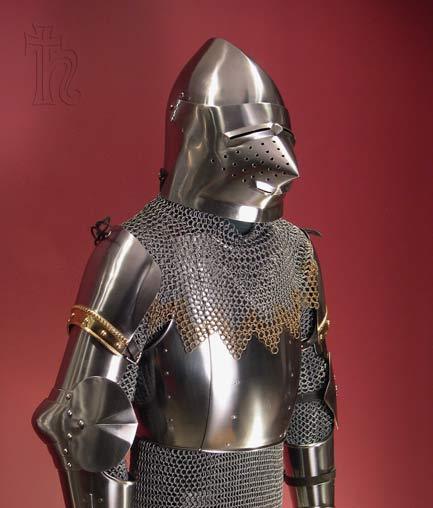
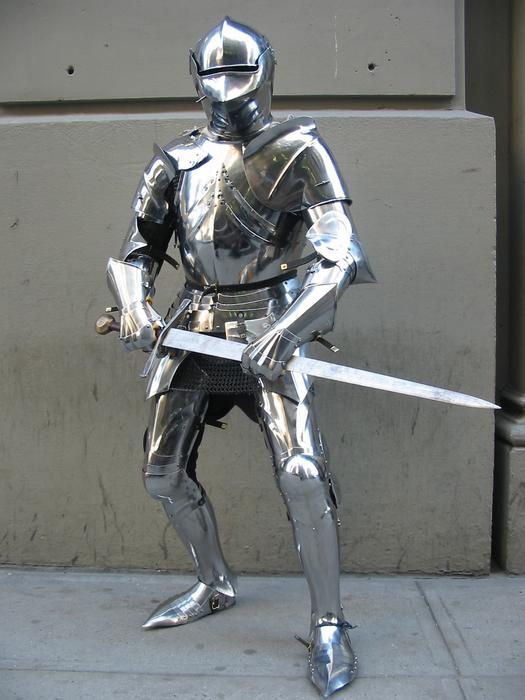
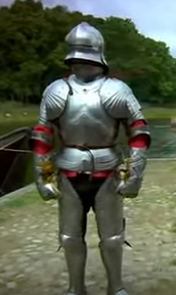
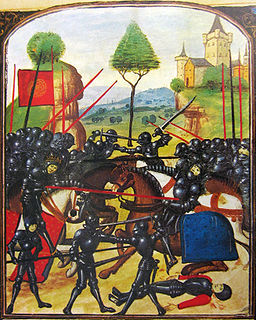
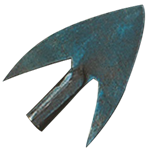
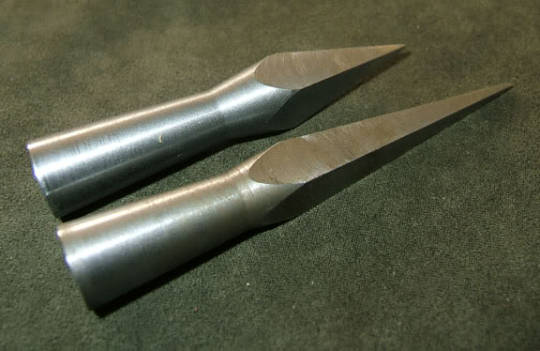
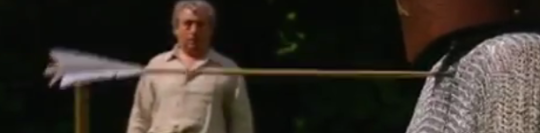

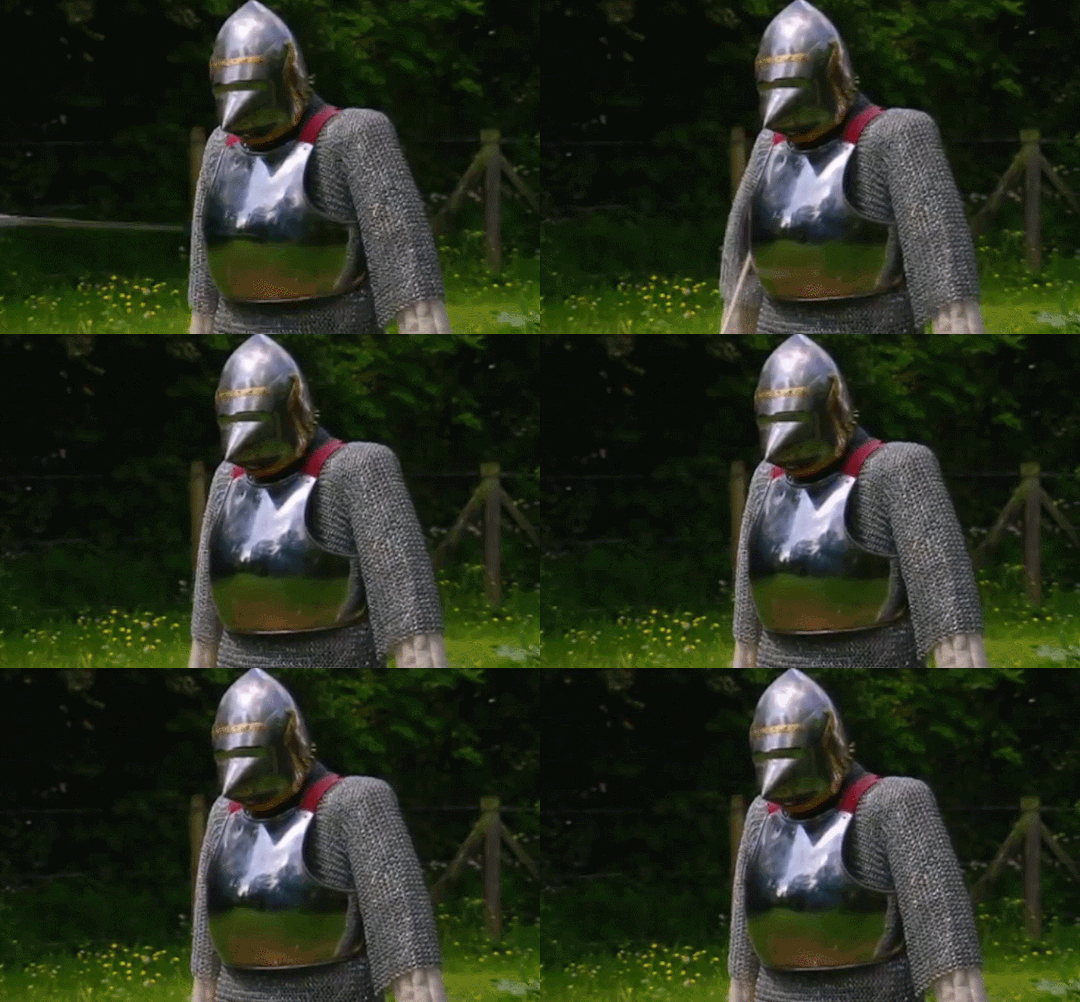
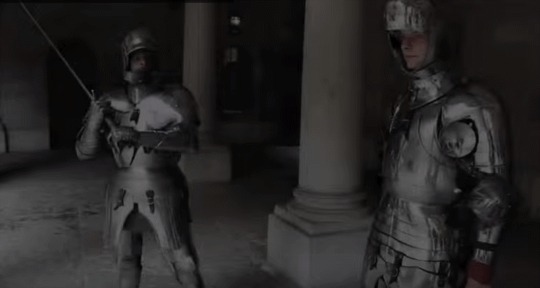
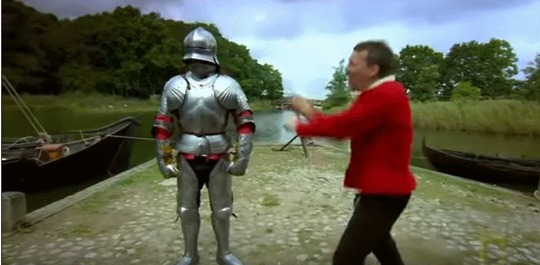
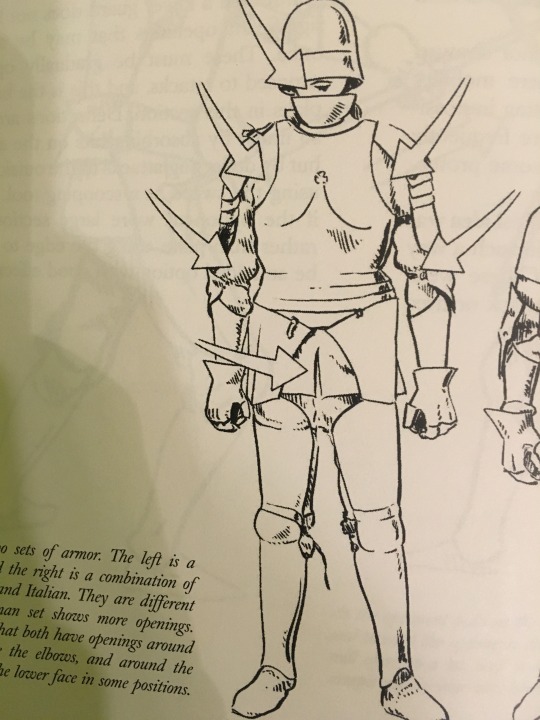
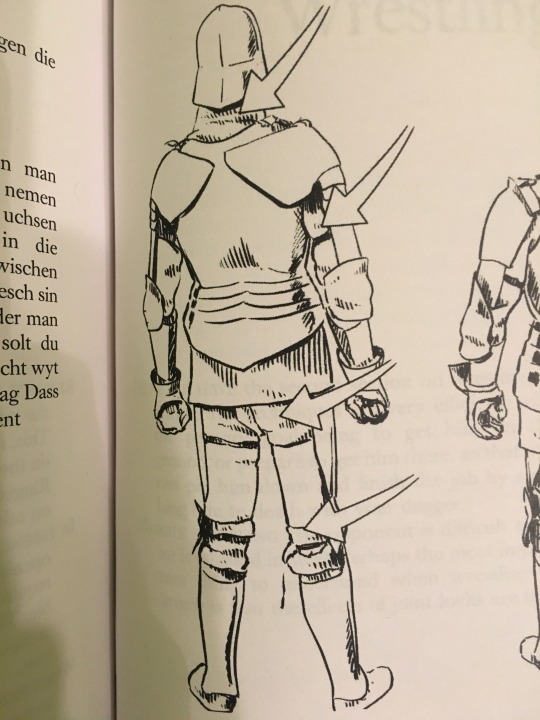
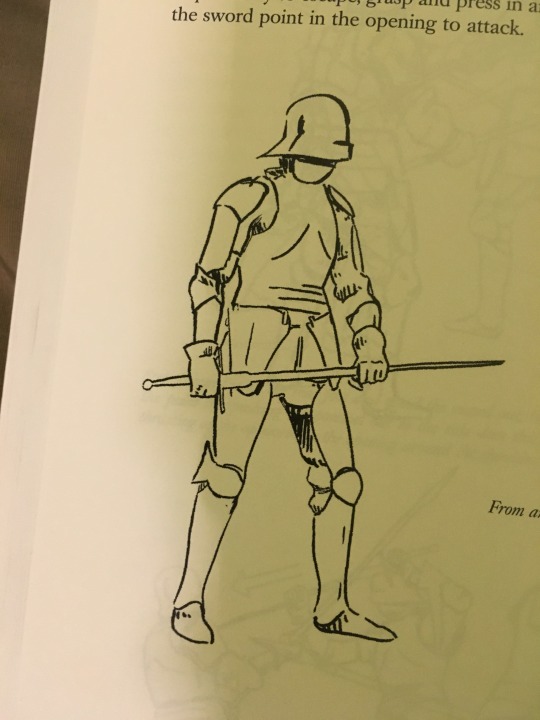
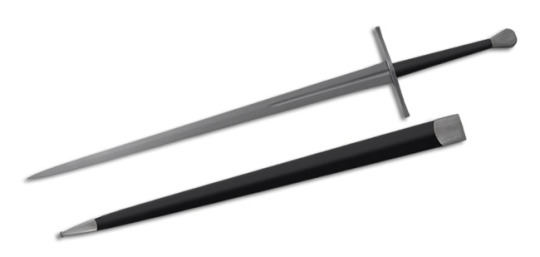
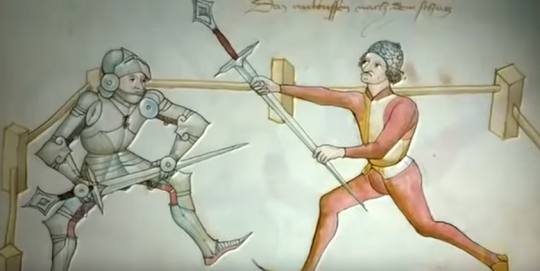
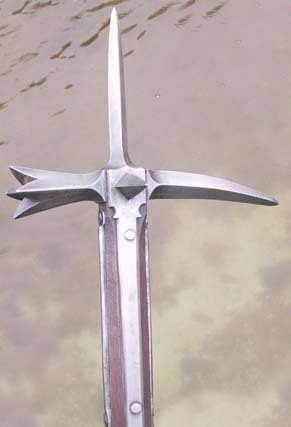

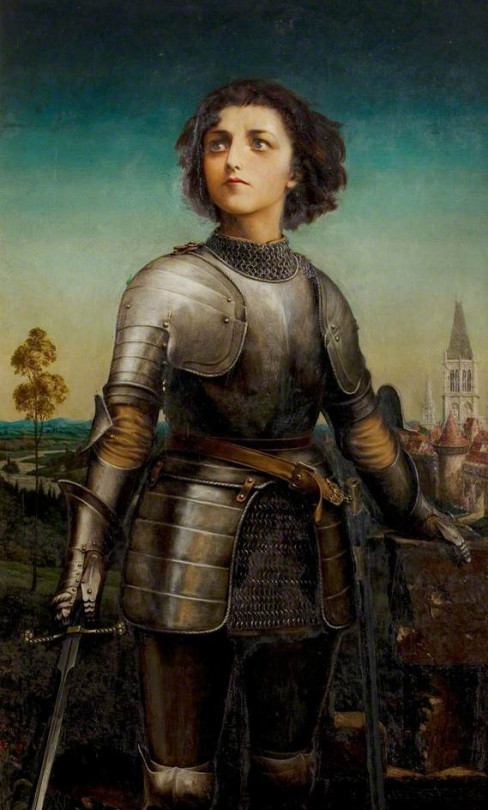







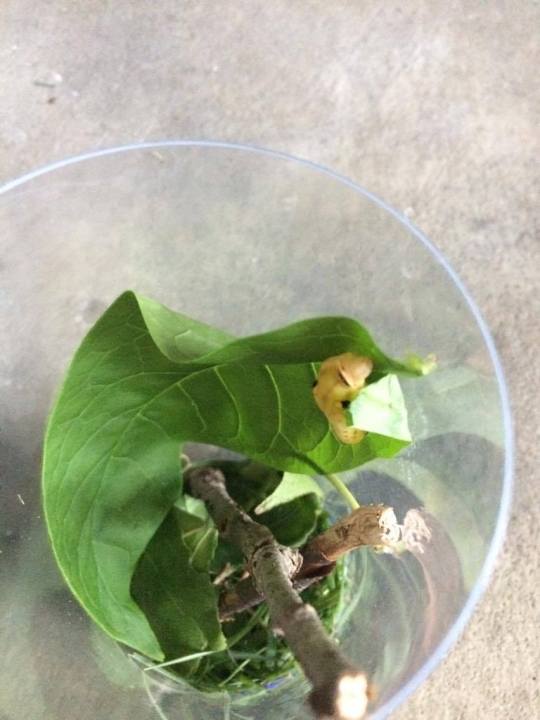



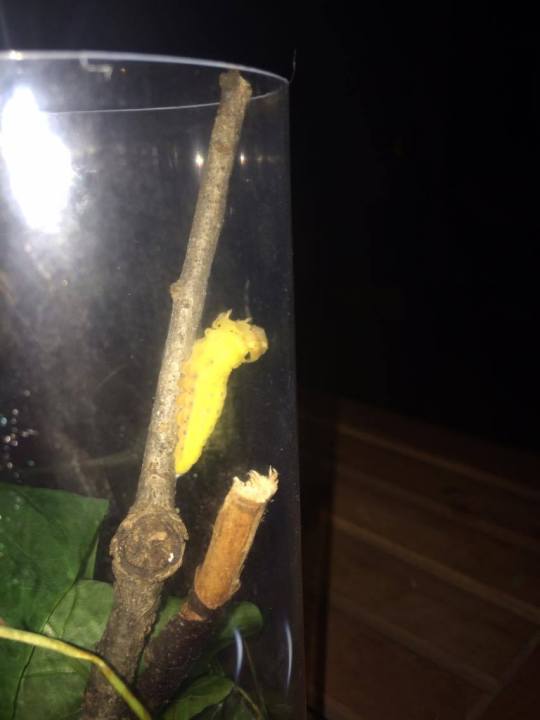
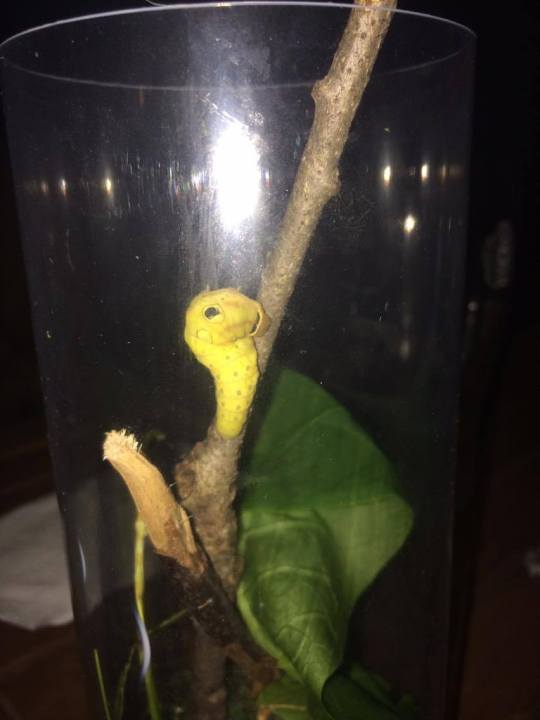


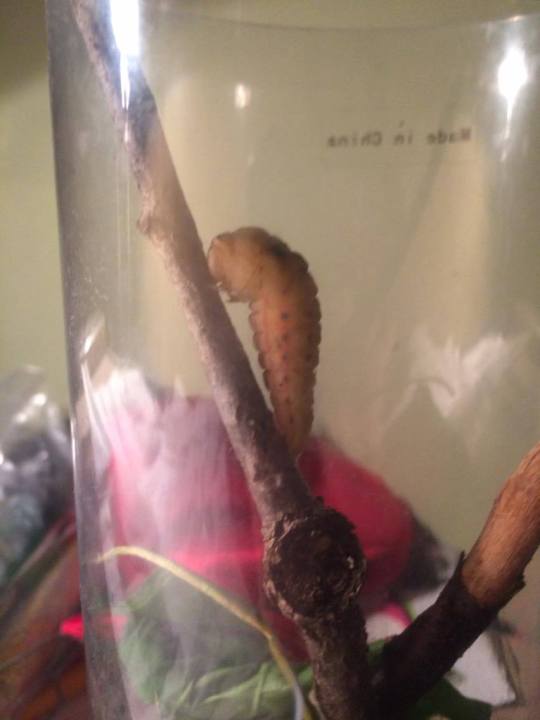
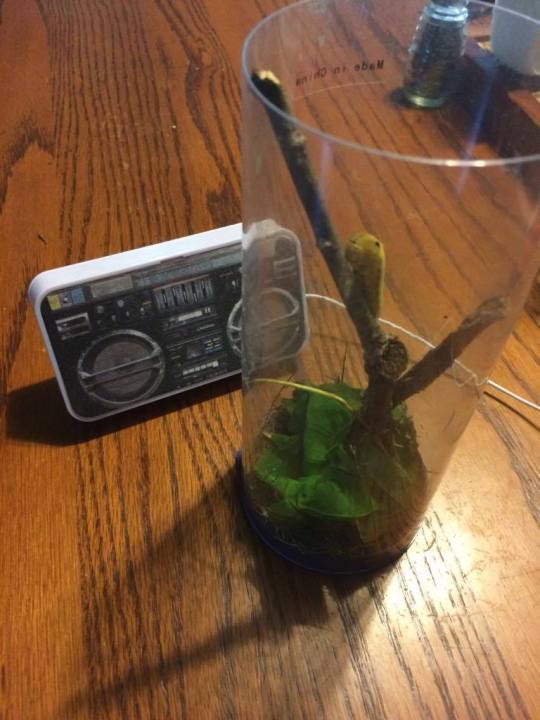
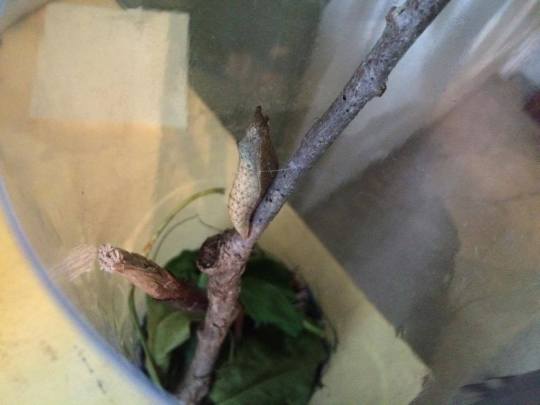
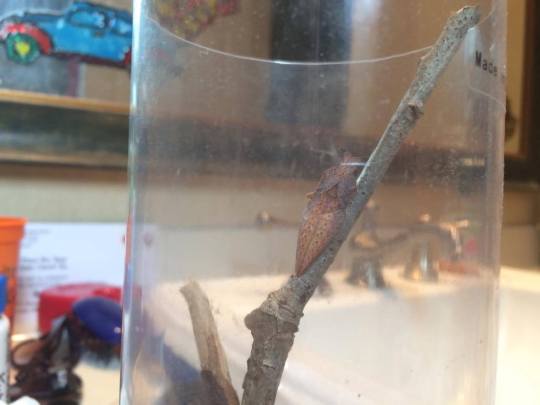
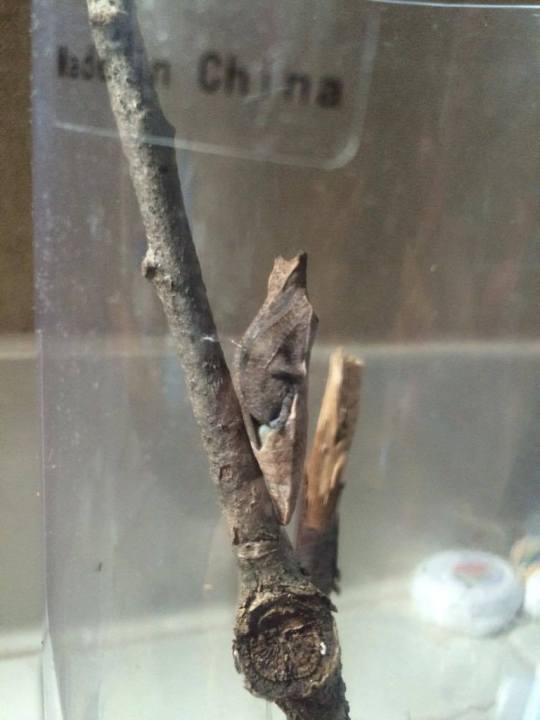
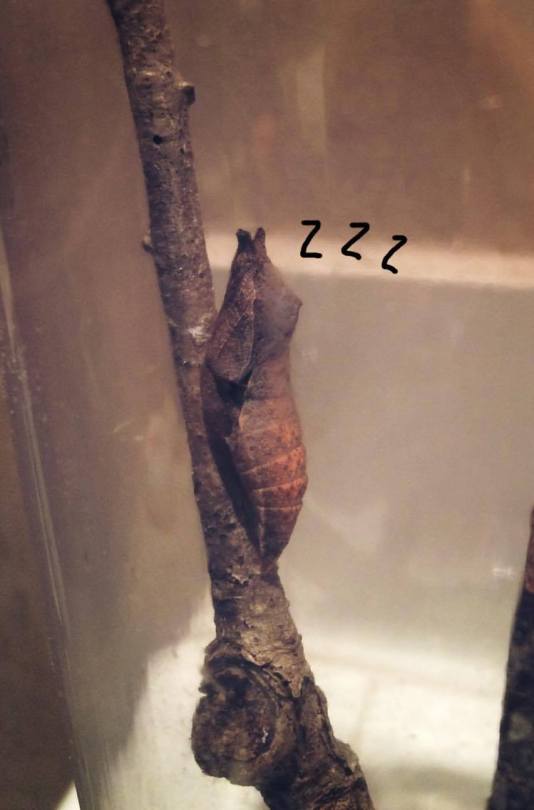
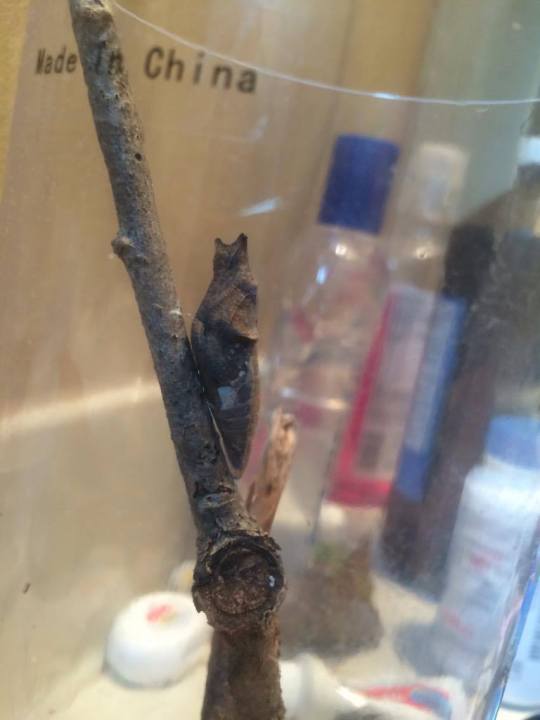


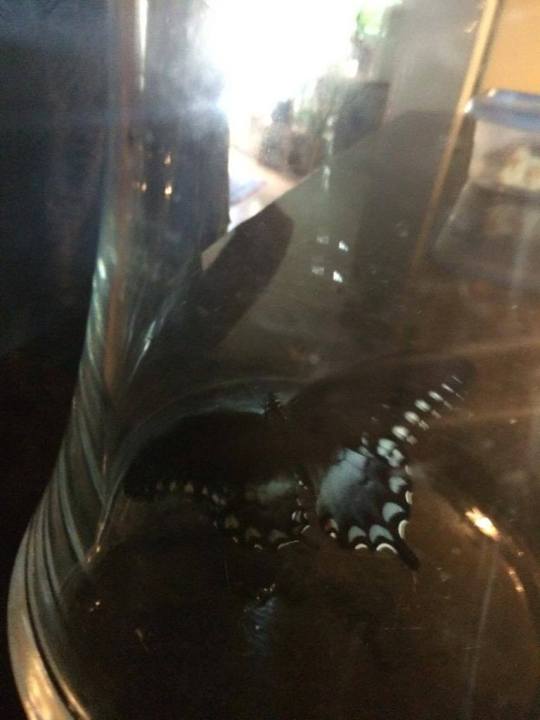

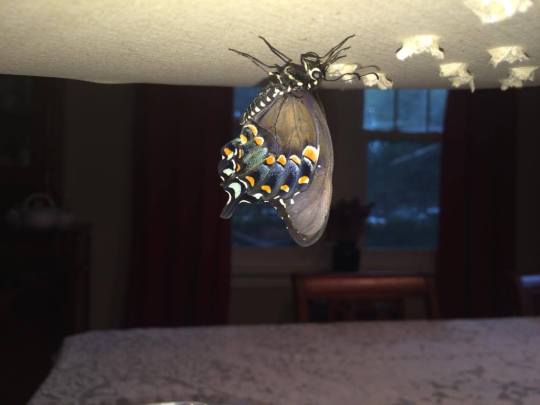








 radiantanor.home.blog